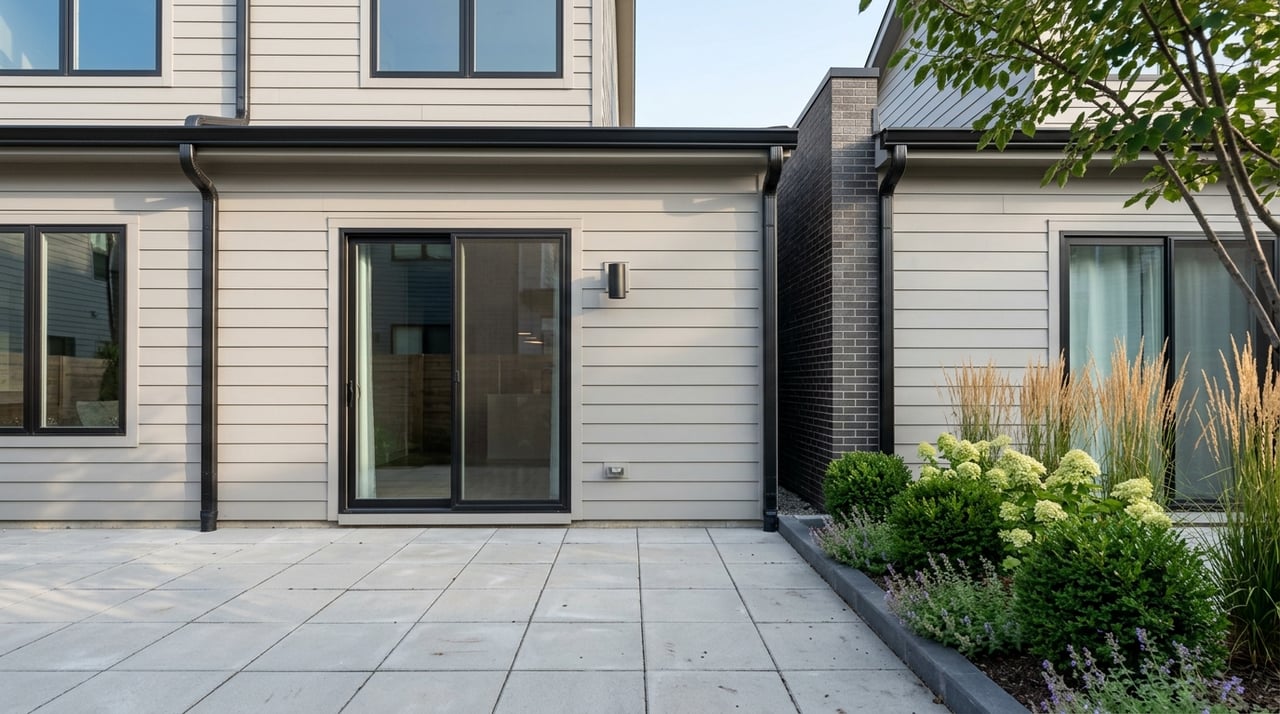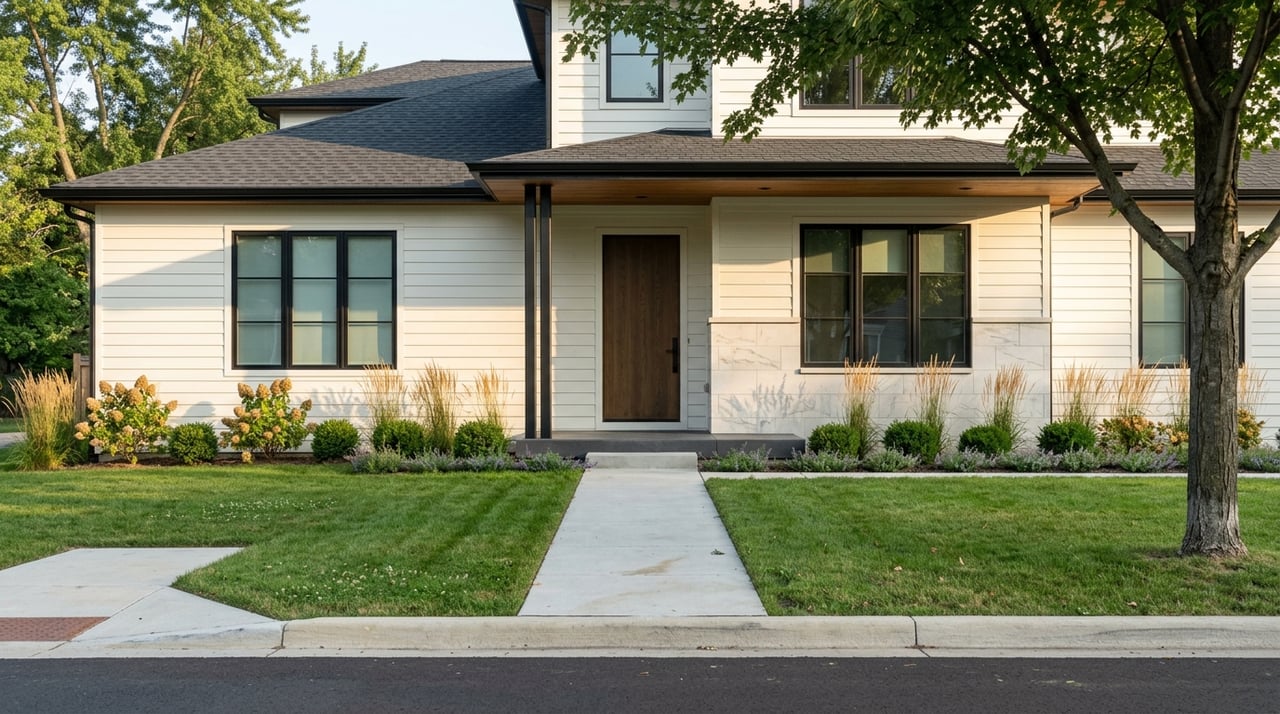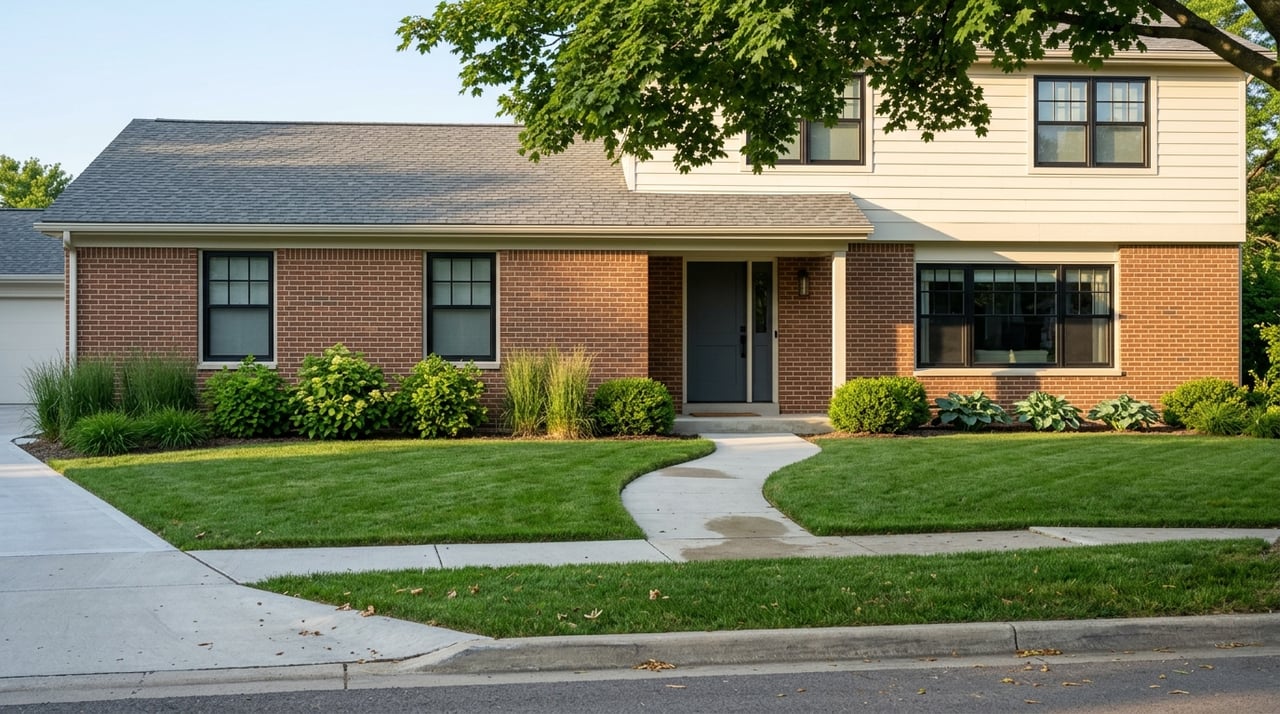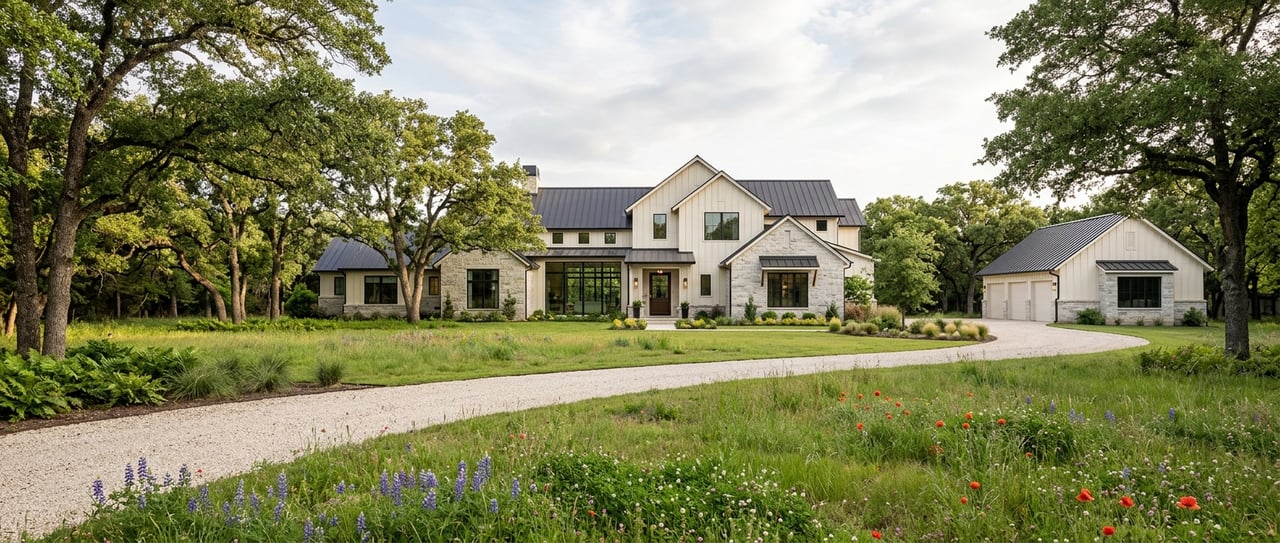
Dreaming about more space, more privacy, and maybe even room for a barn or a few chickens? In Campton Hills, that dream can be very real, but acreage living comes with a different set of rules and responsibilities than a typical suburban home purchase. If you are thinking about buying land or a home on a larger lot, this guide will help you understand what to look for, what questions to ask, and how to make a confident decision. Let’s dive in.
Why Campton Hills Appeals to Acreage Buyers
Campton Hills stands out because it offers a semi-rural setting while staying connected to the Fox Valley and the western suburban orbit of the Chicago metro area. The village describes itself as a place that wants to preserve its rural character while benefiting from proximity to nearby communities like St. Charles, South Elgin, and Geneva.
For you as a buyer, that often means a chance to enjoy more elbow room without feeling completely removed from everyday conveniences. If you want privacy, open space, or a property that supports a more flexible outdoor lifestyle, Campton Hills can be a strong fit.
What “Acreage” Means in Campton Hills
Not every large-looking lot works the same way. In Campton Hills, acreage is closely tied to zoning, and the village approved a new zoning ordinance and map on December 3, 2024. That ordinance is the current local starting point for understanding what you can and cannot do with a property.
The estate districts are set up as low-density semi-rural districts with different minimum lot sizes:
- RE-1: minimum lot area of 4 acres
- RE-2: minimum lot area of 2 acres
- RE-3: minimum lot area of 1.25 acres
- F district: intended to promote and protect agricultural land
- FB overlay: supports agricultural-related business uses in rural and agricultural areas
This matters because two homes that both feel “rural” can come with very different use options depending on the district. Before you fall in love with a property, it is smart to confirm the zoning and review how that zoning fits your goals.
Zoning Matters More Than Buyers Expect
One of the biggest mistakes acreage buyers make is assuming that a larger lot automatically gives them freedom to do whatever they want. In reality, zoning sets the framework for uses, structures, animals, and site improvements.
Campton Hills also makes an important distinction between public zoning rules and private restrictions. Recorded covenants, annexation agreements, and HOA rules can be more restrictive than the village zoning ordinance, but not less restrictive. The village does not enforce those private restrictions, so you need to review them separately during your due diligence.
That means your research should not stop after confirming zoning. You also want to know whether a subdivision covenant, annexation agreement, or HOA rule adds another layer of limits on the property.
Buying for Horses, Chickens, or Hobby Use
If your goal is to find room for animals or a hobby-farm feel, Campton Hills may offer more flexibility than a conventional subdivision lot. Still, the exact property matters.
The F district is the clearest fit for agricultural use. The RE-1, RE-2, and RE-3 districts also allow horses under the village’s animal rules, which can make them appealing if you want a semi-rural property with equestrian potential.
For equines, the ordinance allows them in RE-1, RE-2, RE-3, and F districts. Stables and shelters must be at least 25 feet from any lot line and 100 feet from adjacent residences. Roofless paddocks must be at least 5 feet from lot lines and can be no more than 7 feet high.
If you are thinking about chickens, the code allows coops and runs in residential districts, but with clear siting rules. They must be at least 15 feet from any lot line and 50 feet from the nearest adjacent residence, cannot be placed on a septic field, and coop space in residential districts is capped at 120 square feet.
The village also requires manure to be handled in a way that does not create a nuisance. That may sound obvious, but it is one more reason to look at the practical layout of the lot, not just the acreage number on paper.
Outbuildings, Barns, and Fencing Rules
A lot of acreage buyers picture a detached garage, workshop, barn, or shed. Those features can add real value and usefulness, but local code still controls how and where accessory structures can be placed.
Under the current ordinance, roofed accessory structures are limited to 2 percent of lot size or 500 square feet, whichever is greater. They must be at least 10 feet from lot lines, cannot sit on utility, drainage, or access easements, and cannot be built before the principal structure.
Accessory buildings also need to be compatible with the principal use of the property. So if your plan includes adding a building later, you will want to confirm the layout, easements, and permit path early.
There is one especially notable detail for buyers looking at older rural properties. Barns and silos are considered conforming structures regardless of zoning district or where they sit on the lot. If a property already includes older farm structures, that can be a meaningful part of its appeal and future use.
Fencing rules matter too. Campton Hills says fences do not have setback requirements, but they must follow sight-triangle rules, use rigid materials, face the finished side outward, and avoid prohibited materials such as barbed wire and electric fencing in residential areas. There are exceptions for livestock enclosures in F and FB districts.
ADUs and Multigenerational Planning
Some buyers want acreage because they are thinking ahead about flexible living arrangements. In Campton Hills, the current ordinance allows one accessory dwelling unit, or ADU, per lot in R or F districts, but the rules are narrow.
Detached ADUs are capped at 900 square feet. They must be located in a side or rear yard, set at least 20 feet from lot lines, and they cannot be sold or rented separately.
If your long-term goal includes space for extended family, guests, or a private office setup, an ADU may be worth exploring. Just keep in mind that the ordinance does not treat it like a second fully independent property.
Wells and Septic Need Extra Attention
This is where acreage buying gets more technical. In many Campton Hills properties, private well and septic systems are a major part of the purchase decision, and they deserve careful review.
The Kane County Health Department states that it does not perform well and septic inspections for home sales or mortgage transactions. In plain terms, you should not assume the county has already vetted those systems for your purchase.
Instead, buyers typically need independent inspections and records review. The county also notes that septic records are only available beginning in the 1990s, and county building records go back to the early 1960s. If a system was installed before available records or without permits, there may be little or no layout information on file.
For septic systems, Kane County requires permits, licensed septic contractors, and a soil evaluation for new systems or septic-field renovations. The county also advises septic tanks be pumped at least every 3 years.
For wells, Kane County handles permits and well-related administration, while Illinois guidance places primary responsibility for water quality testing on the private well owner. Kane County recommends annual bacteria and nitrate or nitrite testing, plus metals testing every 3 years.
Illinois guidance also says a well should be at least 10 feet from sewers, 50 feet from septic tanks, and 75 feet from sewage seepage fields. Those separation distances matter if you are evaluating a property for additions, a new outbuilding, or other future site changes.
Future Improvements Require Planning
If you are buying acreage because you plan to improve it later, make sure you understand the permit process early. Current village permit guidance expects a site plan that shows existing and proposed buildings, driveways, easements, and the location of the existing well and septic system.
The village also has separate permit packets for smaller residential sheds under 200 square feet and accessory buildings 200 square feet and greater. For larger accessory buildings, the village may require building plans, site plans, and an access or culvert permit if a new access point is proposed.
This is one reason acreage buyers benefit from a purchase strategy that looks beyond the house itself. If you already know you want to add a shed, barn, paddock, or expanded drive, it helps to evaluate that possibility before you close.
Privacy Versus Practicality
Acreage in Campton Hills often gives you something many buyers want more of: privacy. More land can mean more separation from neighbors, more room for outdoor uses, and more flexibility for structures and animal-related improvements.
At the same time, more land usually means more upkeep and more diligence. You may be maintaining a longer drive, managing drainage issues, monitoring a private well and septic system, and reviewing easements or private covenants that would never come up on a smaller in-town lot.
That is why the “right” acreage property depends on your real goal. You may want a true hobby-farm feel, a horse setup, or simply extra elbow room while staying close to the amenities of nearby St. Charles and Geneva. The best fit is not always the largest lot. It is the one that supports the way you actually want to live.
Smart Questions to Ask Before You Buy
When you tour acreage in Campton Hills, keep these questions in mind:
- What is the property’s zoning district?
- Are there private covenants, annexation agreements, or HOA rules?
- Where are the well, septic system, easements, and drainage areas located?
- Are there records for the septic system and past building permits?
- Are existing barns, sheds, or other structures conforming or legally existing?
- If you want horses, chickens, or an ADU, does the property layout support those rules?
- If you want to add an outbuilding later, is there enough usable area outside setbacks and easements?
These are the kinds of details that can make the difference between a property that only looks good online and one that truly works for your plans.
If you are exploring acreage in Campton Hills, local guidance matters. The details around zoning, land use, wells, septic, and future improvements are too important to leave to guesswork. When you want practical help evaluating properties in the Fox Valley, reach out to Michelle Collingbourne for knowledgeable, local guidance.
FAQs
What zoning districts are most relevant for acreage in Campton Hills?
- The main acreage-related districts are RE-1, RE-2, RE-3, and F. RE-1 has a 4-acre minimum lot area, RE-2 has 2 acres, RE-3 has 1.25 acres, and the F district is intended to protect agricultural land.
Can you keep horses on a property in Campton Hills?
- Yes, equines are allowed in RE-1, RE-2, RE-3, and F districts, subject to village rules for shelters, paddocks, setbacks, and nuisance prevention.
Can you have chickens on residential acreage in Campton Hills?
- Yes, coops and runs are allowed in residential districts, but they must meet setback and placement rules, including staying off septic fields and within the size cap for residential coop space.
Do Campton Hills acreage homes usually have private well and septic systems?
- Many acreage properties may rely on private well and septic systems, so buyers should verify the specific property setup and complete independent inspections and records review.
Does Kane County inspect wells and septic systems for a home sale in Campton Hills?
- No, the Kane County Health Department states that it does not perform well and septic inspections for home sales or mortgage transactions.
Can you build an ADU on an acreage property in Campton Hills?
- The current ordinance allows one ADU per lot in R or F districts, but detached ADUs are limited to 900 square feet, must be placed in a side or rear yard, and cannot be sold or rented separately.