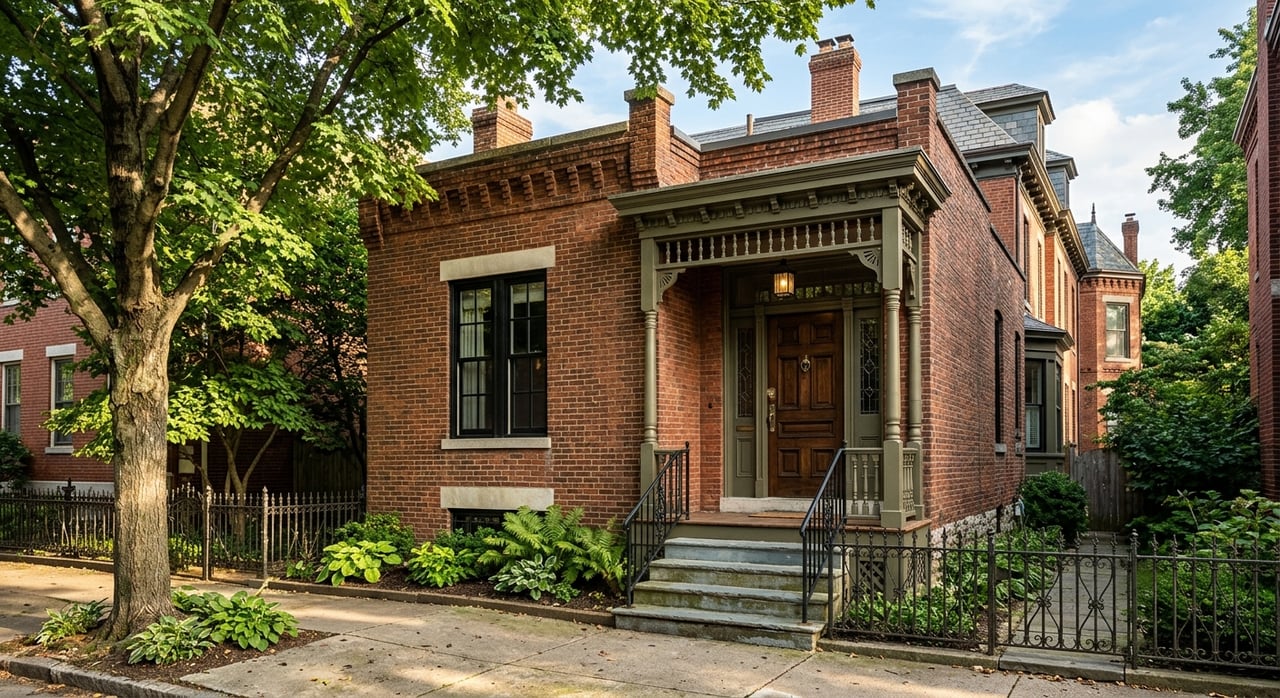
Looking for a place where historic character and everyday convenience actually meet? Downtown Elgin stands out because it offers both. If you are drawn to vintage homes, walkable streets, riverfront amenities, and a mix of housing choices, this part of Elgin deserves a closer look. Here is what you should know before you buy, sell, or start your search.
Why downtown Elgin stands out
Downtown Elgin offers a lifestyle that feels active and connected without losing its local character. The downtown historic commercial district is listed on the National Register of Historic Places, and the area is closely tied to the Fox River, public art, and the downtown market.
Elgin itself had an estimated 114,701 residents in July 2024, along with 39,317 households. The city also reported a 71.9% owner-occupied housing rate, a median owner-occupied home value of $273,000, and a median gross rent of $1,361. Those numbers help explain why many buyers see Elgin as a place with an urban feel and a broad range of housing options.
Historic homes near downtown Elgin
If you love architecture, downtown Elgin gives you a lot to explore. The Elgin Historic District includes part of the original 1842 plat and features a strong collection of late-19th- and early-20th-century residential architecture.
Just south of downtown, the Elgin National Watch Historic District adds even more variety. You can find vernacular cottages along with higher-style homes that reflect Italianate, Greek Revival, and Second Empire design influences.
One well-known example is the Nancy Kimball House, a cobblestone home built in 1846. It is one of the last buildings of its kind in Elgin, and it shows how layered the local housing stock can feel. Instead of a neighborhood filled with one look, you get a streetscape shaped by many eras.
What kinds of homes you can find
Downtown Elgin is not limited to classic detached historic homes. The housing mix also includes older masonry buildings, converted apartments, live/work lofts, and mixed-use residential buildings.
Examples of residential reuse help show that range. Elgin ArtSpace Lofts & Gallery created 55 units of affordable live/work space for artists and families, while 156 Division Street redeveloped a four-story landmark into 45 apartments. Fountain Square on the River adds another option with 1-, 2-, and 3-bedroom residences near Metra, Festival Park, the Centre of Elgin, and the Gail Borden Public Library.
That means your search can be flexible. You may want a vintage single-family home with original details, or you may prefer a low-maintenance residence in a repurposed building near downtown amenities.
Downtown living and daily convenience
For many buyers, downtown Elgin is about more than housing style. It is also about how daily life feels once you live there.
Festival Park is one of the biggest lifestyle draws in the area. Located along the Fox River, it includes a playground, splash pad, fishing areas, bike-trail access, a relaxation garden, and a bike repair station.
The Fox River Bike Trail adds even more appeal. Downtown Elgin describes it as a 35-mile trail running from Algonquin to downtown Elgin and south to Aurora, giving residents easy access to recreation and scenic routes.
Walkability, events, and parking
Downtown Elgin is designed to be experienced on foot. The downtown core brings together the riverfront, market activity, restaurants, arts venues, and public gathering spaces in a compact area.
Recent downtown market guides highlight a weekly Friday market with seasonal extended hours and First Friday programming. That event-based rhythm can make the area feel lively and connected throughout the year.
Parking is also part of the appeal. Downtown materials note free on-street parking and municipal-lot parking, and some public lots and decks allow parking for up to 72 hours. For buyers who want a walkable environment without some of the parking headaches of larger city centers, that can be a meaningful advantage.
Arts, dining, and culture
Downtown Elgin has a strong arts identity. The local arts directory includes the Elgin Symphony Orchestra, Elgin Children's Theatre, Side Street Studio Arts, and Elgin Art Showcase.
Dining is also part of the downtown experience. Local examples include Elgin Public House, Al's Cafe, Buckinghams Steakhouse, and Dream Hall at 51, which brings together multiple food concepts in one venue.
For buyers and sellers alike, these details matter because they shape demand. Walkable amenities, local events, and cultural assets often play a major role in how people evaluate a neighborhood and imagine their day-to-day life there.
Commuting from downtown Elgin
If you need rail access, downtown Elgin offers a practical option. Metra's Elgin station at 109 W. Chicago St. is on the Milwaukee District West line, is accessible, and includes 149 parking spaces.
The waiting room is open from 4 a.m. to 7 p.m., which can help support early and evening travel plans. Some downtown residences also note walkability to the National Street Metra Station, adding another layer of convenience for commuters.
For buyers balancing historic charm with travel needs, that combination can be especially appealing. You can enjoy a more established downtown setting while keeping access to regional transit in the picture.
What to know before buying an older home
Historic homes can be rewarding to own, but they ask for a more careful review. Character is a major benefit, but it should come with a clear understanding of the home's condition and any preservation rules that apply.
HUD recommends getting a home inspection and shopping homeowners insurance when buying a home. That advice matters even more when you are considering an older property with original or partially updated systems.
If a home was built before 1978, buyers should also be aware that older paint may contain lead-based paint. That does not mean every older home is a problem, but it does mean testing or safe handling may be appropriate depending on the situation.
Exterior changes may require approval
In Elgin, historic preservation rules can directly affect remodeling plans. The city's historic design guidelines are the official document used to evaluate and approve Certificate of Appropriateness applications.
Buyers should check whether a Certificate of Appropriateness is required before making exterior changes such as windows, siding, roofing, masonry repairs, additions, or visible mechanical changes. This is especially important if you are buying a designated historic property and already thinking about updates.
The city's 2022 guideline update aimed to make the rules easier to use and to better accommodate features such as solar panels and mid-century modern buildings. That is useful context if you want to preserve historic character while planning thoughtful improvements.
Inspect historic homes with the right mindset
The best approach is to treat a historic home as a property with character-defining features, not as a blank slate. During the inspection process, you should look closely at the condition of the roof, masonry, windows, plumbing, electrical systems, and HVAC.
Some homes may be beautifully maintained, while others may need a mix of short-term repairs and longer-term planning. A clear inspection process helps you understand what you are buying and how to budget for ownership.
Why this matters for buyers and sellers
If you are buying in downtown Elgin, understanding the housing mix helps you search more effectively. You can decide whether your priorities lean toward architectural detail, low-maintenance living, walkability, transit access, or riverfront amenities.
If you are selling, downtown Elgin's appeal is often strongest when your home is positioned within the larger lifestyle story. Buyers are not only comparing square footage. They are also weighing historic character, access to Festival Park, proximity to Metra, and the overall energy of downtown living.
That is where local market knowledge matters. A neighborhood-specific strategy can help buyers focus their search and help sellers present their property in a way that matches what downtown Elgin buyers are actually looking for.
If you are exploring historic homes or downtown living in Elgin, working with a team that knows the Fox Valley can make the process much smoother. Michelle Collingbourne and the Collingbourne Group bring decades of local experience to help you evaluate neighborhoods, compare housing options, and move forward with confidence.
FAQs
What types of homes are available in downtown Elgin?
- Downtown Elgin offers vintage single-family homes, apartments and condos in converted historic buildings, live/work lofts, and mixed-use residential options.
Is downtown Elgin walkable for daily living?
- Yes. The downtown core includes the Fox River, Festival Park, the downtown market, restaurants, arts venues, and other amenities within a connected area.
Do historic homes in Elgin have remodeling rules?
- Some do. If a property is designated and subject to local preservation rules, exterior work such as windows, siding, roofing, masonry repairs, additions, or visible mechanical changes may require a Certificate of Appropriateness.
Is there commuter rail access in downtown Elgin?
- Yes. Metra's Elgin station is located downtown on the Milwaukee District West line, and some nearby residences also note access to the National Street Metra Station.
What should buyers inspect in an older Elgin home?
- Buyers should pay close attention to the roof, masonry, windows, plumbing, electrical systems, HVAC, and any older paint conditions, especially in homes built before 1978.
Does Elgin support historic preservation work?
- Yes. The city continued funding historic architectural rehabilitation and historic paint grants in 2026, showing ongoing municipal support for preservation.