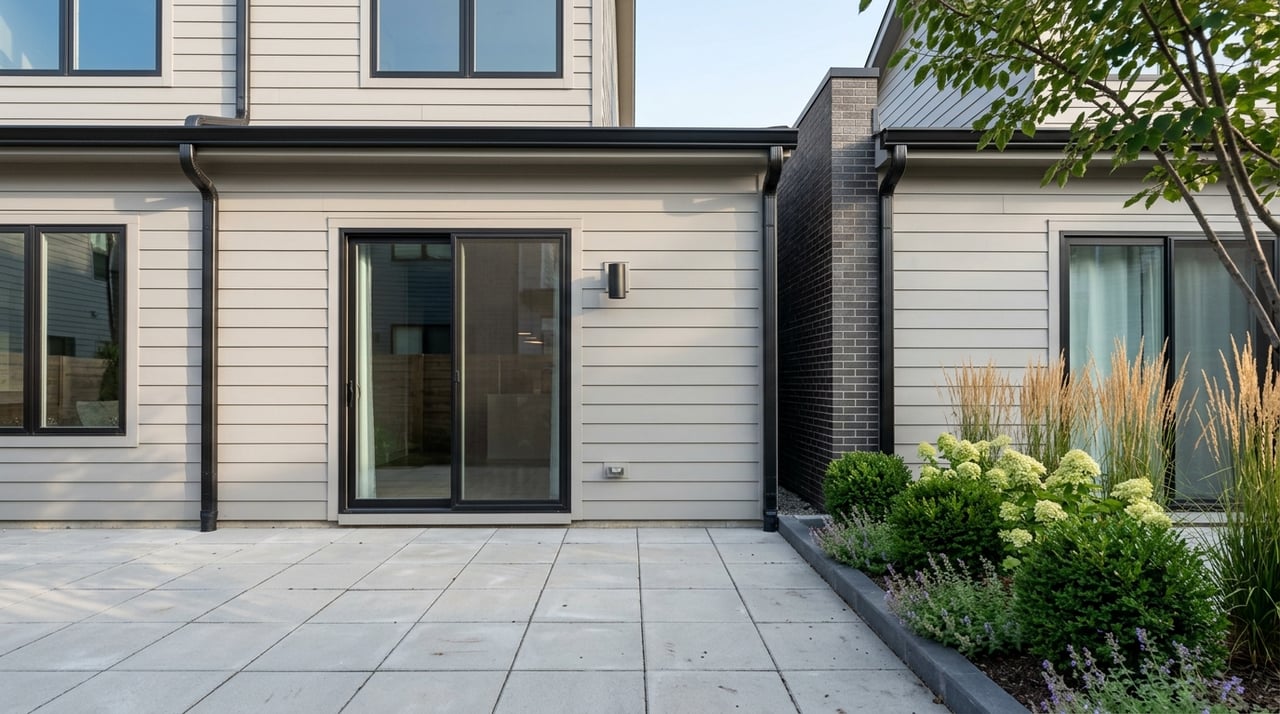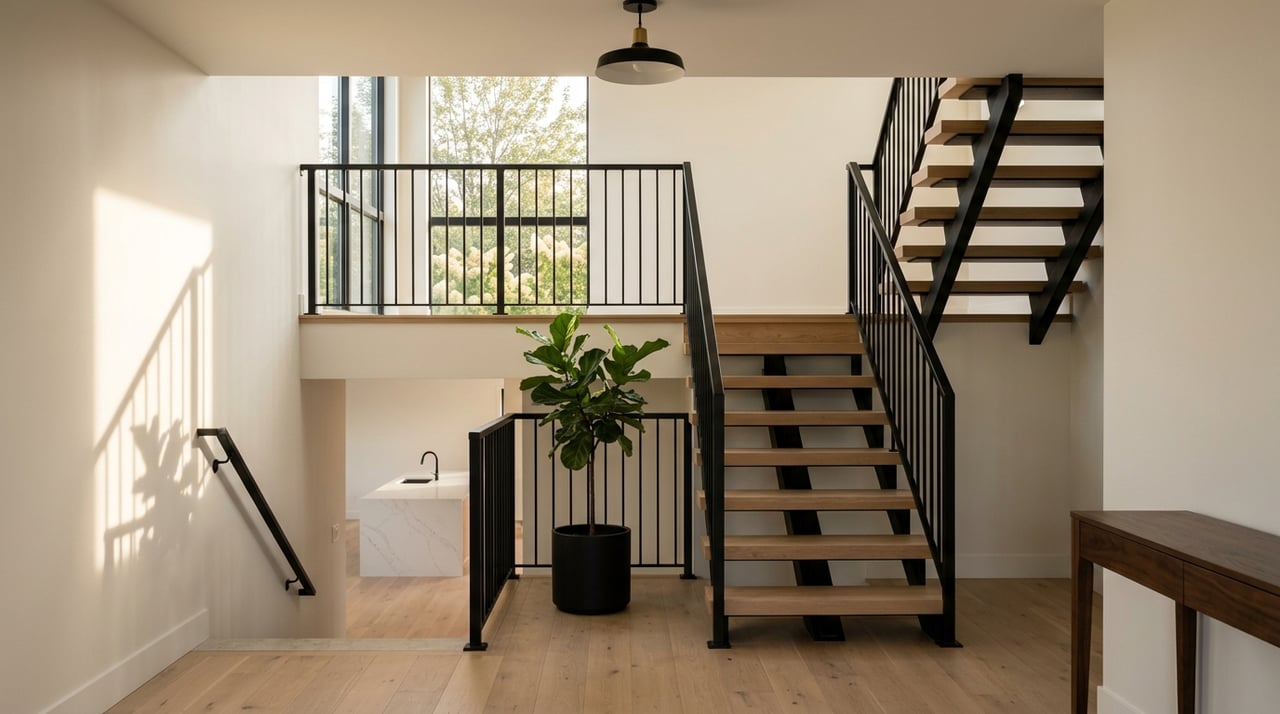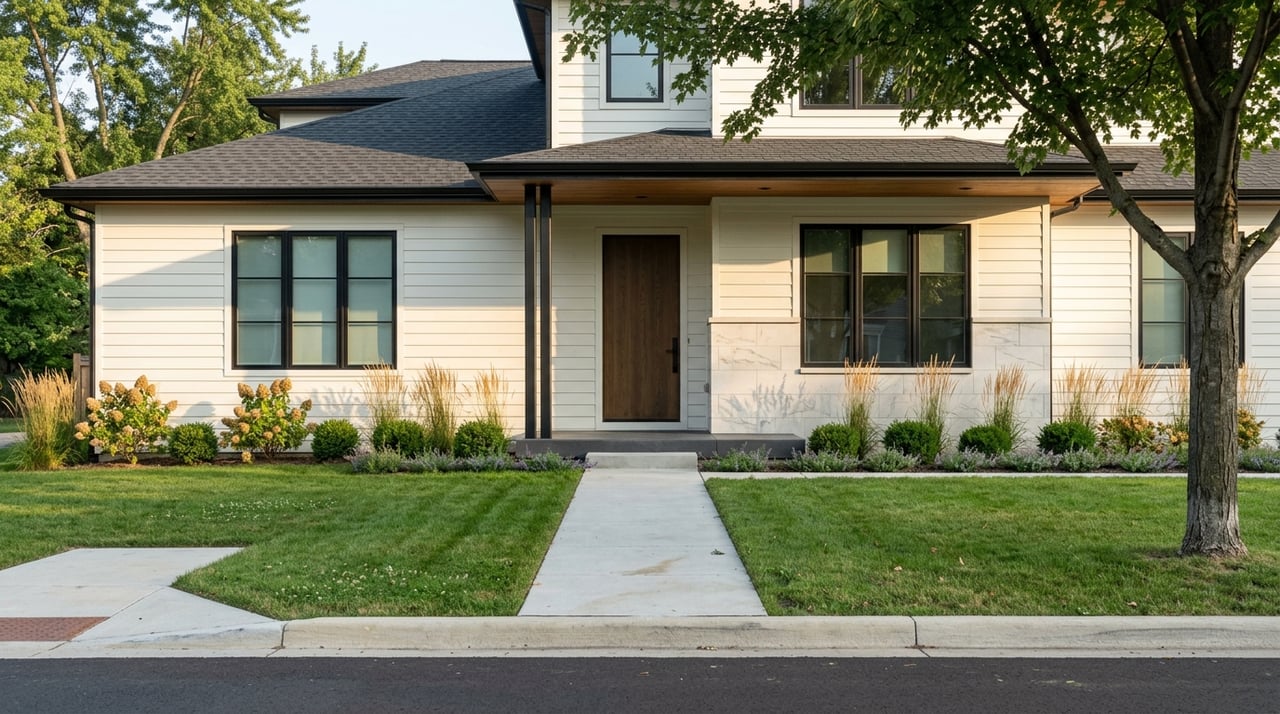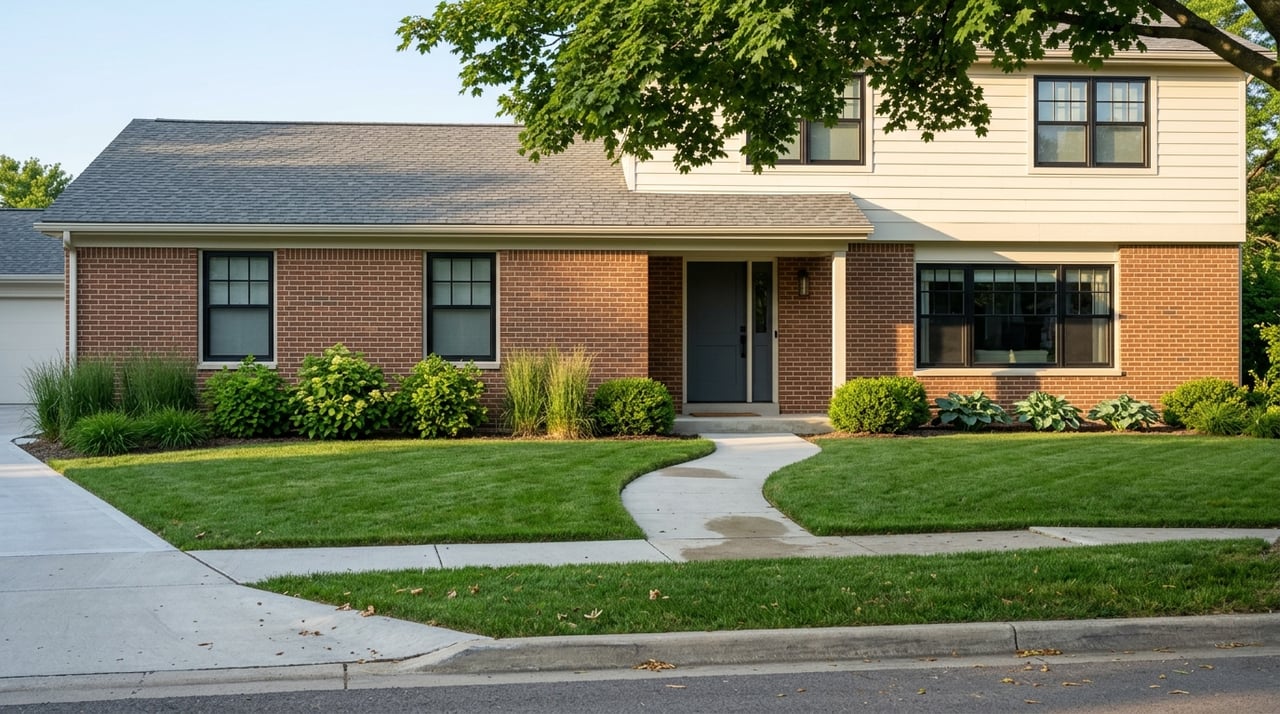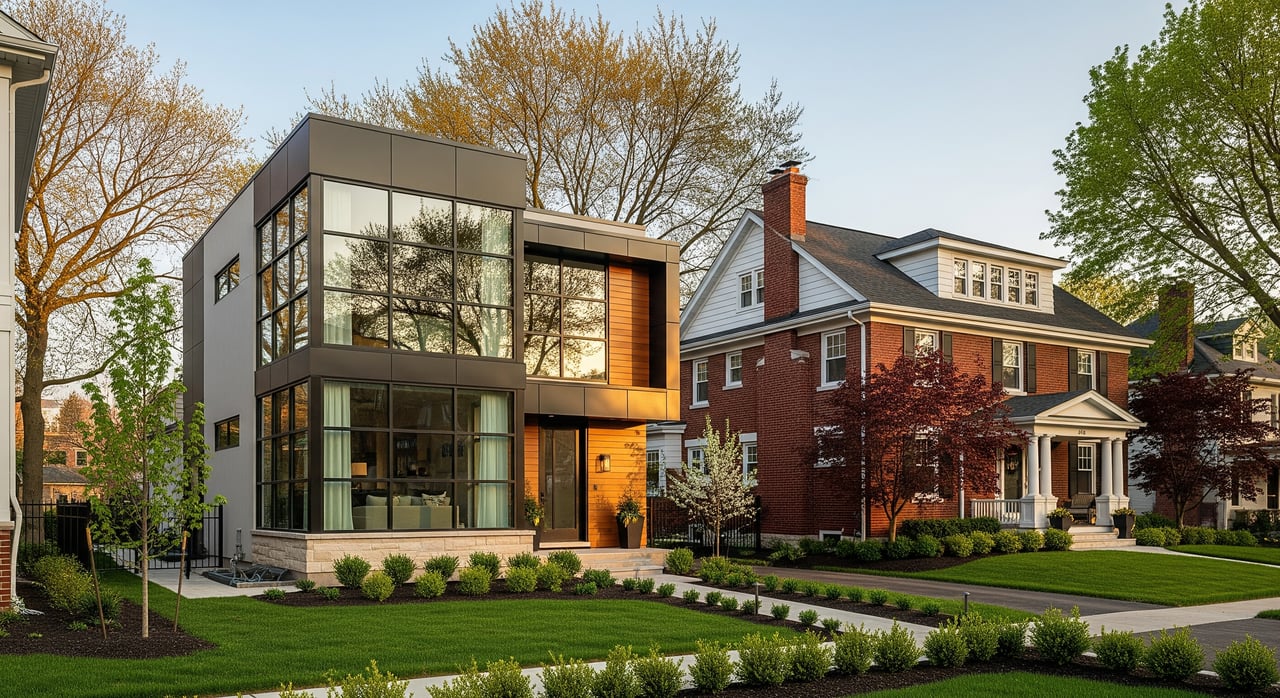
Thinking about a brand-new build or a move-in-ready resale in North Aurora or Elgin? You are not alone. Many Fox Valley buyers weigh customization and warranties against location, timing, and total cost. In this guide, you will learn how new construction and resale differ on timelines, inspections, HOAs, financing, and more, with local tips for Kane County. Let’s dive in.
New vs. resale at a glance
Choosing between new and resale is about tradeoffs. Here is a quick overview to frame your decision.
- New construction
- Pros: modern layouts and energy features, customization options, and builder warranties.
- Cons: longer timelines, potential lot premiums, HOA ramp-up costs, and stricter contract terms.
- Resale
- Pros: faster closings, established neighborhoods, mature landscaping, and room to negotiate.
- Cons: older systems and near-term replacements, possible renovations, and fewer customization options.
Timeline comparison in Kane County
Most resales close in about 30 to 60 days, depending on inspections, loan approval, and title work. New construction usually runs 4 to 12 months from contract to possession. Timelines shift based on whether you buy a completed spec home or a to-be-built plan, and by weather and builder backlog.
What affects a new build schedule
- Build type and site readiness: a finished spec home can close like a resale, while a ground-up build needs permitting, utility work, and inspections.
- Season and labor: winter, rain, and trade availability can add weeks.
- Options and change orders: late choices can push schedules; lock selections early.
- Municipality signoffs: final approvals vary by jurisdiction. Check processes with the Village of North Aurora building and planning teams and the City of Elgin Building Division.
How to plan your move
- Build a buffer: if your target close is August, plan for late summer into fall just in case.
- Prepare a backup: consider temporary housing, a short rent-back, or storage if dates shift.
- Coordinate early: align lender, builder, and your sale timeline at the start to avoid gaps.
Inspections, walkthroughs, and occupancy
Resale purchases typically include a general home inspection plus specialized checks as needed. For new construction, plan multiple touchpoints. Ask the builder for pre-drywall, mechanical rough-in, and final walkthrough dates. Consider hiring an independent inspector experienced with new builds. The American Society of Home Inspectors has guidance on what a thorough inspection should cover.
Before closing, confirm you will receive the Certificate of Occupancy, municipal signoffs, and builder warranty documents. Do not accept keys until final approvals are complete and your lender authorizes funding. Local permitting and occupancy procedures are handled by the Village of North Aurora and the City of Elgin.
Warranties and what to verify
Most builders offer a tiered warranty structure that often looks like this:
- 1 year for workmanship and materials
- 2 years for major systems like HVAC, plumbing, and electrical
- 10 years for structural components
These time frames reflect common industry practice. Review the specifics in your contract and get all warranty terms in writing, including how to submit claims. For a broader overview of warranty norms and builder standards, see the National Association of Home Builders.
Lots, location, and future development
Lot choice affects both daily living and resale value. Premiums often apply for corner lots, cul-de-sacs, south-facing orientation, privacy, or proximity to open space. Consider grading and drainage, and verify whether a lot sits in or near a floodplain using the FEMA Flood Map Service Center.
In growing areas of North Aurora and Elgin, development can come in phases. Ask for subdivision maps, phasing plans, and any planned public works near the community. Local planning pages are available at the Village of North Aurora and the City of Elgin. This helps you anticipate future construction activity, traffic changes, and community amenities.
HOAs and early-phase assessments
Many new subdivisions include homeowners associations. Early-phase HOAs sometimes have unpredictable costs while the community builds out. Request these documents before you sign:
- Declaration and bylaws
- Budget and pro forma reserves
- Rules and regulations, architectural guidelines
- Any available meeting minutes
- Capital contribution or entrance fees and projected dues
Review developer control provisions and the transfer of control timeline, since underfunded reserves can lead to special assessments. For plain-language background on HOA governance and financial best practices, the Community Associations Institute is a helpful resource.
Total cost of ownership
Price is only one piece of the puzzle. Plan a 5 to 10 year budget that compares these categories for new vs. resale:
- Property taxes: new homes can see tax changes after reappraisal. Check methods and timelines with the Kane County Assessor and Recorder.
- Insurance: newer systems can lower premiums, but quotes vary by carrier and local risk factors.
- Utilities and energy: new builds often perform better thanks to modern windows, insulation, and HVAC. Actual usage depends on home size, orientation, and lifestyle.
- Maintenance and replacements: resales may need near-term roof, water heater, or HVAC updates. New builds have lower early maintenance, with small punch-list items usually handled under warranty.
- Landscaping and hardscape: many new homes start with basic grading and seed. Budget for trees, fencing, patios, and irrigation.
- Upgrades and finishes: not all builder upgrades return full value on resale. Stay aligned with local buyer preferences.
Financing, appraisals, and valuation
Resales usually qualify for conventional, FHA, VA, or USDA financing with established comparable sales. New construction financing depends on the build type. Completed spec homes often use standard mortgages. Ground-up builds may require construction-to-permanent loans. You can review general guidelines through Fannie Mae’s resources.
Builders sometimes offer preferred lenders, but it pays to compare terms and fees. Appraisals for new homes can be tricky when nearby comps are older or lower priced. For FHA loans, new-construction appraisal standards differ from existing homes, so confirm requirements with your lender and see HUD’s guidance for high-level rules.
Tips to reduce appraisal risk on a new build:
- Keep upgrade packages reasonable for the area.
- Ask the builder to share recent sales within the subdivision.
- Be ready with a backup plan if the appraisal comes in low.
If you have a home to sell
Coordinating a sale and a build is common. You have several tools to manage the timing and risk.
- Home-sale contingency: protects you if your current home does not sell, but may be less attractive in a hot market.
- Kick-out clause: the seller can accept another offer if you do not remove your contingency within a set time.
- Bridge financing or HELOC: lets you buy first and sell later, with extra carrying costs.
- Rent-back or leaseback: short-term occupancy after closing to ease the move.
- Builder flexibility: request longer construction windows or closing adjustments in writing.
Get fully preapproved before negotiating and show proof that your current home is listed or ready to list. Ask for concessions such as appliances, closing cost credits, or small upgrades if the builder wants fewer contingencies.
How your agent fits with builders
Builder sales staff represent the builder. A dedicated buyer’s agent represents you. Your agent helps you compare lots and plans, negotiate pricing and options, review contract terms, and coordinate inspections and punch lists. Many builders pay buyer-agent commissions from the sale proceeds, but confirm this in writing early.
Expect builder contracts to favor the builder. Have your agent and a local attorney review provisions on timelines, remedies, and dispute resolution. Confirm upgrade pricing and change-order rules in writing, including any deposit and schedule impacts. Your agent should attend walkthroughs, document punch lists, and press for timely resolutions.
Local due diligence checklist
Use this list to move from browsing to confident decision.
- Verify builder reputation and completed projects in Kane County.
- Request the builder contract, warranty booklet, HOA documents, and the community master plan before you sign.
- Confirm the expected completion timeline, inspection checkpoints, and remedies for delays.
- Hire an independent inspector for pre-drywall and final walkthroughs. See guidance from ASHI.
- Check flood status by address using the FEMA Flood Map Service Center.
- Review property tax history and assessment practices via the Kane County Assessor and Recorder.
- Ask the Village of North Aurora or City of Elgin about active permits, subdivision phasing, and planned public works.
- Confirm school boundary plans and transit access that fit your daily routine.
The bottom line for North Aurora and Elgin
If you value modern design, energy features, and low early maintenance, new construction can be a great fit. If you want a faster move, established neighborhoods, and stronger negotiation room, resale shines. The right choice comes down to your timeline, budget, and how you plan to live in the home.
Want help mapping this choice to your needs, neighborhood by neighborhood across North Aurora, Elgin, and the Fox Valley? Tap into our decades of local experience and hands-on new construction and resale guidance. Start a conversation with Michelle Collingbourne to compare real options and plan your move with confidence.
FAQs
How long does a new build take in North Aurora or Elgin?
- Most new builds run 4 to 12 months from contract to completion, with weather, permitting, and builder backlog as key variables.
What do builder warranties typically cover on new homes?
- Many builders follow a 1-2-10 pattern for workmanship, systems, and structural coverage; always confirm the exact terms in your contract and warranty booklet.
How do HOAs work in new subdivisions in Kane County?
- Early-phase HOAs set dues and rules while the community builds out; review governing docs, budgets, reserve plans, and developer control timelines before you commit.
What is different about appraisals for new construction?
- Appraisers may struggle to match higher-priced new builds with older comps; keep upgrades realistic and discuss financing and appraisal options with your lender early.
What should I check before choosing a lot in North Aurora or Elgin?
- Verify flood status, grading and drainage, nearby roads and amenities, and any planned development or infrastructure that could affect noise, access, or privacy.