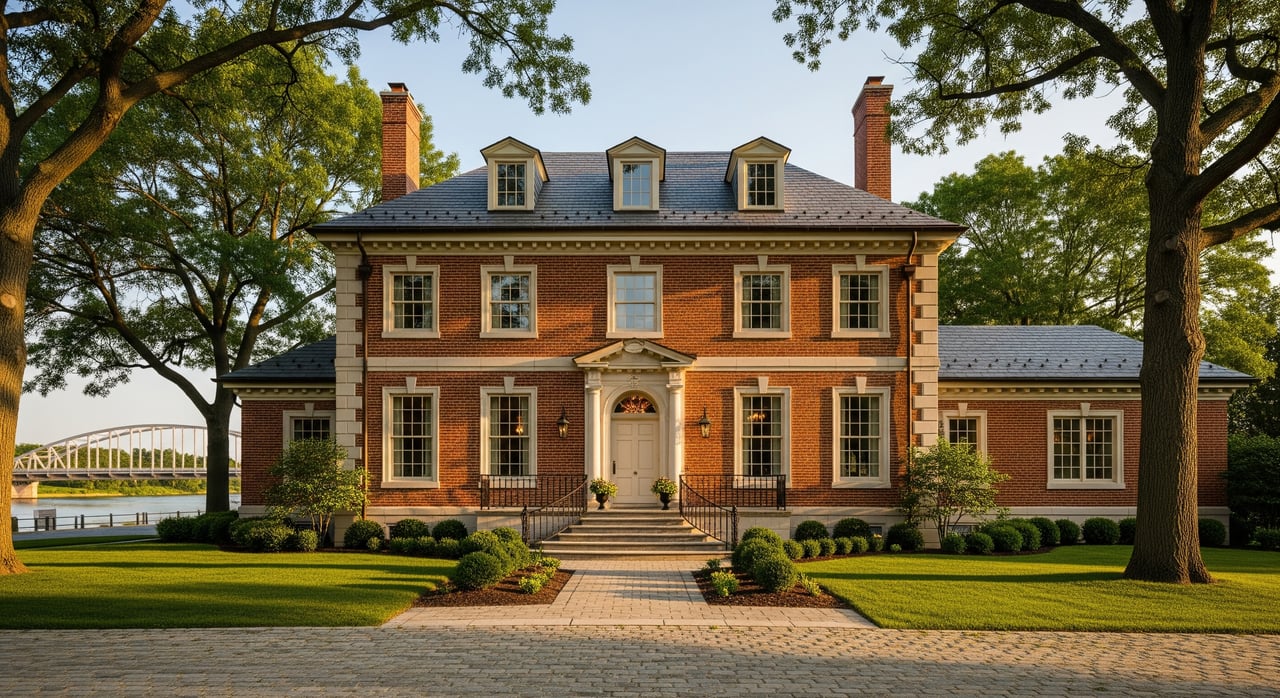
What is your home in Batavia really worth right now? Pricing can feel high stakes, especially when you want strong buyer interest without sitting on the market. You deserve a clear, local method that explains the number and sets you up for a smooth sale. In this guide, you’ll see exactly how we price homes in Batavia and nearby Elgin using micro-comps, condition adjustments, and smart positioning to attract the right buyers and offers. Let’s dive in.
Our pricing framework
You want a price that is defensible, attractive, and aligned with your timeline. Our framework focuses on three outcomes: a strong list price, a clear rationale, and a strategy that fits your goals.
- Establish a list price that brings in the target buyer pool quickly.
- Maximize net proceeds while minimizing days on market and carrying costs.
- Set up conditions for competitive buyer response when appropriate.
We factor in local MLS data from MRED, recent solds and pendings, current mortgage rates, and Kane County inventory. We also consider neighborhood drivers like school districts, I‑88 access, Fox River amenities, and downtown Batavia. The final output includes a recommended price band, an adjustment-backed rationale, and a strategy choice that matches your risk and timing preferences.
Choosing the right micro-comps
We prioritize nearby sales in the same subdivision or immediate neighborhood. In Batavia and Elgin, that often means a quarter to one mile radius, matched on size, age, and features.
Start hyper-local
We match the subject home with similar properties on key value drivers: single-family or townhome, architectural style, finished living area, lot size, bed and bath count, basement finish, and garage capacity. We prefer solds from the last 3 to 9 months. In faster markets, we shorten that window. If recent solds are limited, we look closely at actives, pendings, and recent contracts to see current pricing traction.
What we document for each comp
- Address and proximity to your home
- Sale date and sale price
- Property type, bed and bath count, finished square feet
- Lot size and orientation, such as corner or cul-de-sac
- Basement and garage details
- Recent major updates, including kitchen, baths, roof, HVAC, and windows, with dates when available
- Overall condition at sale, from turnkey to needs work
- Days on market and any concessions when reported
- Financing type if known, since it may hint at buyer pool
Using price per square foot wisely
Price per finished square foot helps normalize between homes. We use it as a guide, then reconcile it against feature-by-feature adjustments. Smaller homes on premium lots can trade at higher price per foot than larger homes. That is why we always check the math against local paired sales and adjusted comp values.
Adjusting for condition and updates
Two similar homes can sell for very different prices based on updates, systems, and layout. We apply adjustments to comps to reflect the subject home’s features.
What we adjust for
- Size and finished living area
- Bedrooms and baths, with full baths typically adding more utility than half baths
- Functional layout, such as open concept or a first-floor suite
- Kitchen and bath quality and remodel dates
- Finished versus unfinished basement
- Lot attributes, including size and premium views
- Systems and roof age, which reduce buyer risk
- Deferred maintenance or visible defects
How we find the right dollar impact
- Identify nearby sold pairs where the main difference is the feature in question, then measure the price gap.
- Use price per square foot for size differences, and cross-check against other comps.
- Derive premiums for updates from recent local sales rather than national averages.
- Apply time adjustments when the market is trending up or down between the comp’s sale date and today.
A simple example
If a recent Batavia sale matches your home but has a finished basement and a newer roof, we adjust that comp downward for the basement and systems to match your home as it sits. Another comp with an older kitchen but a similar lot might be adjusted upward. We reconcile the set to a tight value range and then choose a pricing band based on your goals and the competition.
Pricing bands and buyer search behavior
Buyer searches often sit in round-number brackets. Small changes in list price can change which buyers see your home online.
- Common filters are under 300k, 300–350k, 350–400k, and so on.
- Pricing at 299,900 can surface in both “under 300k” and “up to 300k” searches, which may increase early views.
- Pricing at a round number can signal premium positioning, but it may reduce visibility to buyers filtering below that threshold.
We map your home to the tightest competing band in Batavia or Elgin, then decide whether to capture two bands or plant a flag at a round number. The better choice depends on inventory and how strong the comps look.
Picking the right pricing strategy
Your strategy should reflect your goals, the season, and the competition. We typically recommend one of three.
Under-market, stimulative pricing
- Aim: maximize showings and create multiple-offer potential fast.
- Method: list slightly below the adjusted value to attract buyers from adjacent search bands.
- Trade-offs: you start lower and may not test the highest price a patient buyer might pay.
Match the market value
- Aim: price in line with adjusted comps and current pendings.
- Method: list at a defensible market-clearing price.
- Trade-offs: balanced risk and reward. In strong demand, you can still get multiple offers. In steady markets, expect an offer near list.
Aspirational, testing the market
- Aim: reach for a higher price when the home is unique or demand is very strong.
- Trade-offs: more days on market and possible price reductions. Some buyers may skip a showing if the list price feels high.
We will discuss which path fits your timing, risk tolerance, and the competition that week.
Timing and seasonality in Kane County
Spring is traditionally the busiest stretch, followed by steady summer activity. Fall can be productive with fewer listings and motivated buyers. Winter tends to have fewer active buyers, so pricing discipline matters more.
Local factors also shape timing. Families often plan closings around the school calendar. Commuters using the I‑88 corridor or regional transit may target moves around job schedules. New-construction deliveries can also affect absorption. We align your pricing and launch plan with these rhythms.
Positioning to spark strong offers
Pricing is one lever. Marketing and timing matter too. To encourage strong responses while following all fair housing and MLS rules, we may:
- Set a clear offer review timeline and communicate it in the listing remarks.
- Concentrate early showings with broker previews and well-promoted open houses in the first week.
- Invest in strong photography, floor plans, and virtual tours that reduce buyer uncertainty.
- Share clear guidance on preferred terms, such as verified pre-approvals, while treating all buyers fairly and equally.
What you receive from us
Transparency builds trust and reduces stress. Here is what we deliver with each pricing plan:
- Comp reconciliation worksheet with line-by-line adjustments, so you can see how we reached the value range.
- Market summary one-pager with recent solds, current actives and pendings, inventory snapshot, and median days on market.
- Pricing strategy memo that recommends under-market, market, or aspirational pricing, plus a contingency plan for adjustments.
- Source documentation from MRED, Kane County records, and local municipal permit histories when relevant.
When your home is unique
Not every home has perfect twins. If your home has distinctive features or limited nearby comps, we build a blended set with the closest matches, then apply qualitative premiums and market-supported adjustments. For complex valuations, we can incorporate appraiser-style paired sales and consult with valuation specialists when needed.
Ready to price with confidence?
You do not have to guess. With neighborhood-first comps, thoughtful adjustments, and a strategy that matches your goals, you can launch with confidence and control. If you are considering selling in Batavia or Elgin, let us prepare a custom pricing plan and timeline for you.
Connect with Michelle Collingbourne to get started and Get Your Instant Home Valuation.
FAQs
How do you choose comps for my Batavia home?
- We start in your subdivision or within about a mile, match on size, beds and baths, lot, age, basement, and garage, then favor solds from the last 3 to 9 months and cross-check with pendings.
How do updates like kitchens and baths affect price?
- Recent, quality updates tend to improve buyer perception and value; we estimate premiums using nearby sold pairs rather than national averages, then reconcile across multiple comps.
Do school districts and commute routes affect value in Batavia?
- Yes, neutral factors like school district boundaries and access to I‑88 or regional transit can shape buyer demand; we reflect those effects through local comps that share the same context.
Should I price slightly under market to get multiple offers?
- It can work when inventory is tight and your home competes well; under-market pricing increases exposure across search bands but trades a higher starting price for speed and potential bidding.
How quickly should I expect offers in Batavia or Elgin?
- Timing depends on season, inventory, and strategy; in peak spring, strong listings can receive offers in the first week, while off-season sales may require more competitive pricing and patience.
What if there are very few recent comps for my home?
- We build a blended set using the closest matches, adjust carefully for differences, and may incorporate appraiser-style paired sales or consult specialized valuation resources.