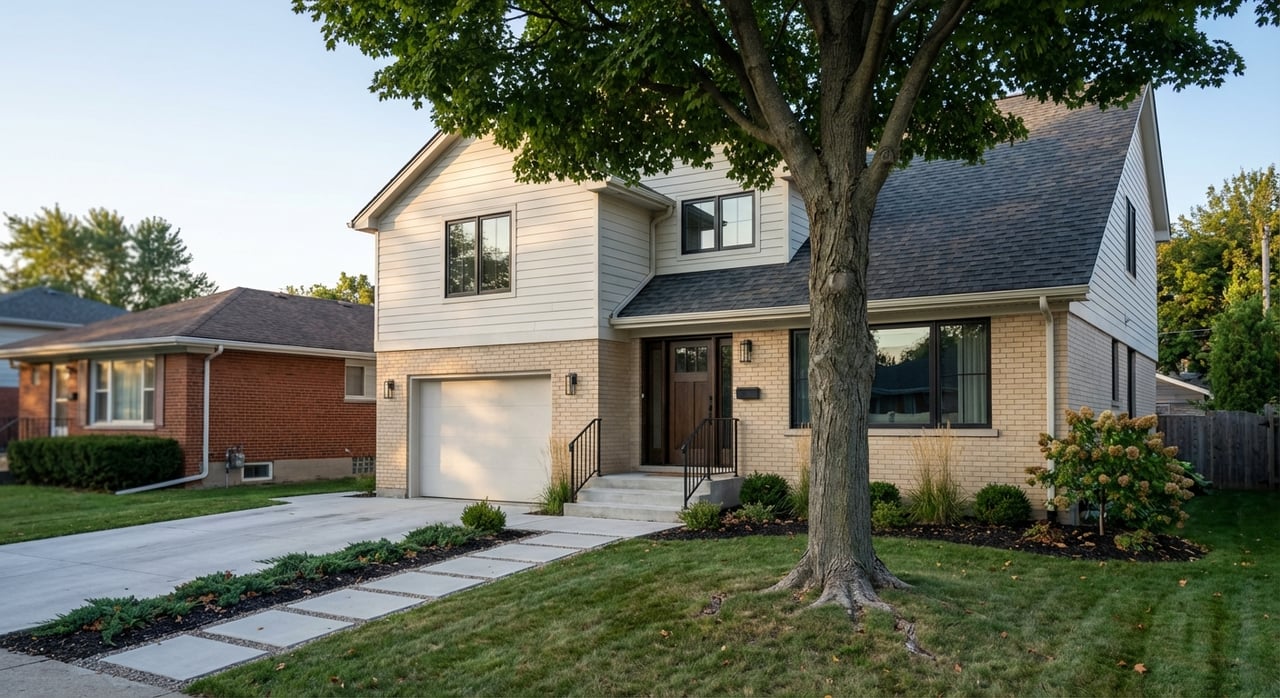
Is Batavia the right place for your growing family to put down deeper roots? If you want suburban space with a friendly, small‑town feel, Batavia is a strong contender along the Fox River. You’ll find walkable historic streets, established subdivisions near assigned schools, and newer, low‑maintenance homes close to shopping and I‑88. In this guide, you’ll learn how three clear neighborhood types compare on lifestyle, budget, and daily logistics so you can choose what fits you best. Let’s dive in.
Why families choose Batavia
Batavia has a welcoming, small‑city pace with everyday convenience. The city’s estimated population is about 26,555 as of July 2024, and the U.S. Census reports a 2020–2024 median value of owner‑occupied homes around $387,400. You can confirm those figures on Census QuickFacts for Batavia. Census QuickFacts shows key local stats.
Families appreciate the Fox River trails, the Depot Museum and Riverwalk, and a compact downtown with local shops and dining. The Riverwalk, parks, and museums add easy weekend fun without a long drive. You can preview local history and riverfront highlights through the Batavia Depot Museum and Riverwalk and explore downtown options via Downtown Batavia’s visitor guide. Proximity to Randall Road retail and I‑88 also helps with errands and commuting. Fermilab’s presence supports the area economy and draws professionals to the community.
How schools shape your search
Most of Batavia is served by Batavia Public School District 101. For many buyers, proximity to assigned schools is a major factor in neighborhood choice. Because boundaries can shift, you should always verify the current assignment for a specific address. Use the district’s interactive map to check any property you are considering. Review the BPS101 boundary map.
School proximity often affects pricing. Subdivisions with an easy walk or short drive to assigned elementary and middle schools may carry a premium because they simplify daily routines. When you compare homes, weigh school access alongside commute and lifestyle.
Neighborhood Type A: Near‑downtown bungalows
Who it fits
Choose in‑town bungalows if you love character, walkability, and being close to the riverfront and downtown events. This area works well if you want parks, museums, and local dining within a short stroll. It is a good fit if you value neighborhood vibe and daily convenience over maximum square footage.
What you get
You’ll see early to mid‑20th‑century bungalows and craftsman cottages on tree‑lined streets near Main, Wilson, and River Street. Many homes feature hardwood floors, built‑ins, and front porches. The Riverwalk, Depot Museum, and parks are nearby, which makes after‑school outings and weekend plans simple. Learn more about the riverfront’s charm through the Depot Museum and Riverwalk overview.
Tradeoffs to weigh
Interiors and lots tend to be smaller than in newer subdivisions. Older roofs, windows, or mechanicals may need updates over time. Private outdoor amenities like large playsets or pools are less common unless a lot has been improved. Popular blocks can draw multiple offers in tight inventory seasons.
Budget snapshot
• Typical range: $300,000 to $600,000 depending on size, condition, and location within the in‑town grid. Renovated homes often land toward the upper end. Use day‑of‑search comps to refine your target.
Neighborhood Type B: Subdivisions near assigned schools
Who it fits
If you need more bedrooms, larger yards, and family‑friendly layouts, established subdivisions are a strong match. Many buyers choose these areas to be within their assigned elementary or middle school boundaries while gaining bonus spaces like basements or home offices. Neighborhood names you will see include Woodland Hills, Tanglewood Hills, and Big Woods.
What you get
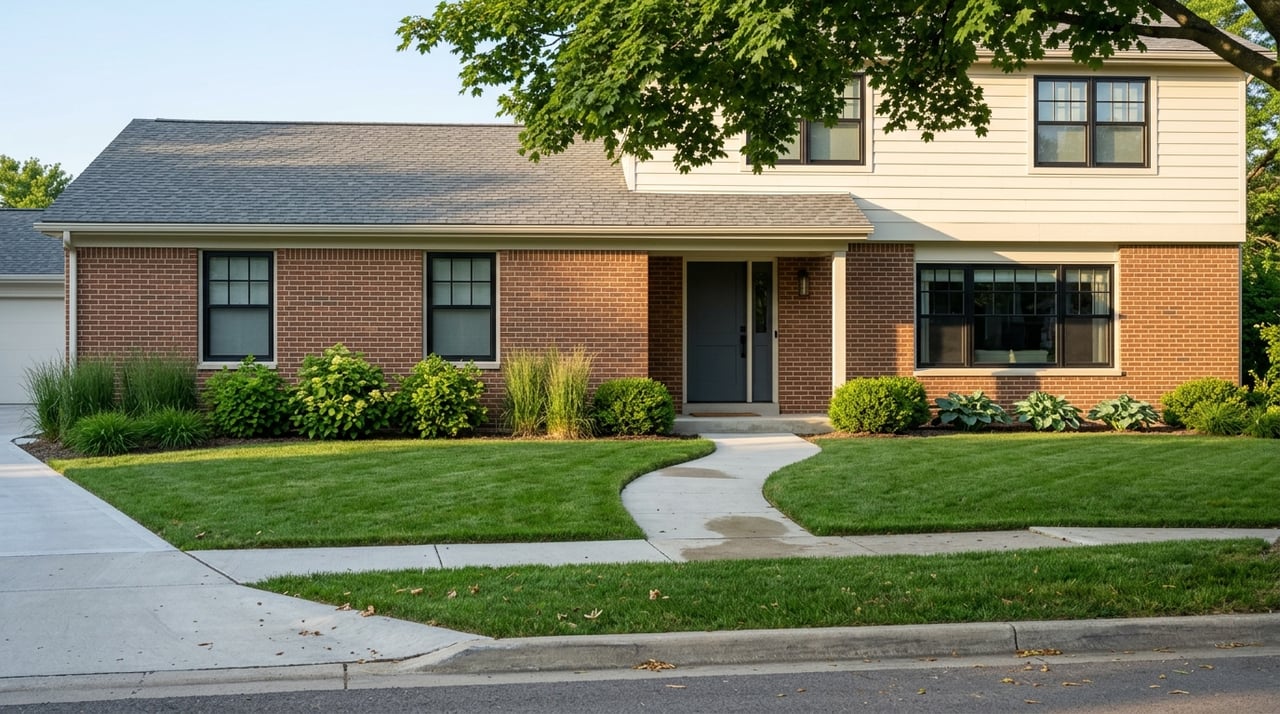
Expect 3 to 5‑plus bedroom plans, attached garages, and streets designed for neighborhood living. Some higher‑end subdivisions offer amenities like pools, clubhouses, playgrounds, and trails. Yards are larger than in the downtown bungalow area, and streets feel quieter with less through traffic. If school access is a priority, verify the exact boundary for each listing using the district tool. Check your assigned school with the BPS101 map.
Tradeoffs to weigh
Prices and property taxes are typically higher than in‑town starter options, and some neighborhoods have HOA dues. You will trade a short drive for downtown’s dining and riverfront activities. Commute times vary by lot location and route to I‑88 or nearby Metra stations in Geneva or Aurora.
Budget snapshot
• Typical range: $400,000 to $1,000,000+ depending on neighborhood, lot size, and finish level.
• Many mid‑range subdivisions often fall around $350,000 to $600,000. Estate‑style homes in luxury enclaves can price well above that.
Neighborhood Type C: Newer edge communities
Who it fits
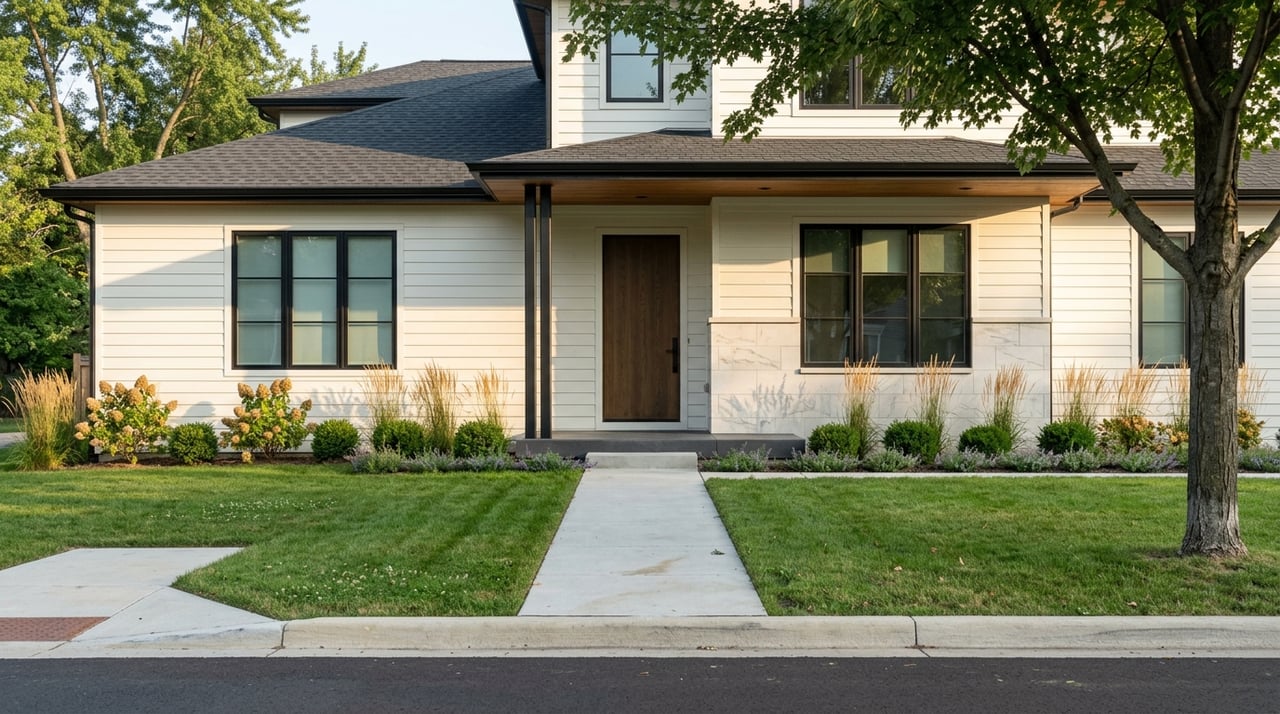
Pick newer construction if you want modern floor plans, energy‑efficient features, and lower immediate maintenance. These communities sit near Randall Road for quick shopping and I‑88 access. One example is Pulte’s Ashton Ridge, which brought townhomes and single‑family options to Batavia in recent years. You can read about the project’s arrival through this local update on Ashton Ridge.
What you get
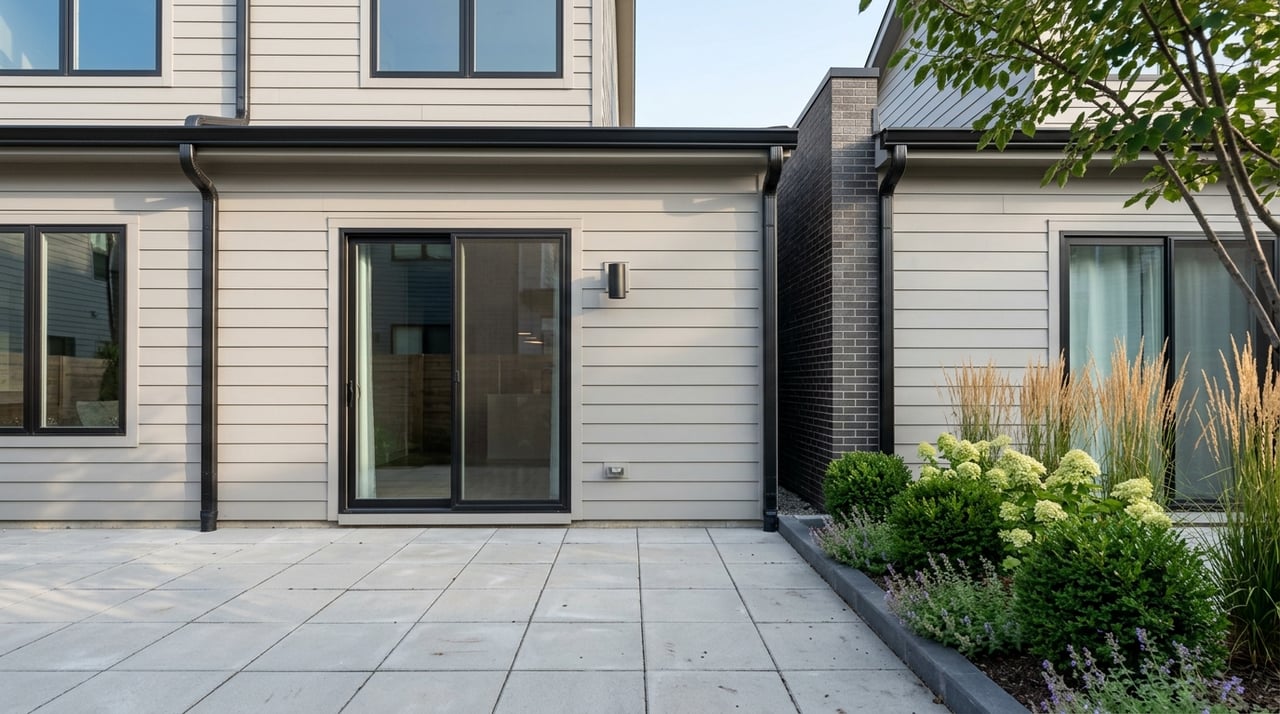
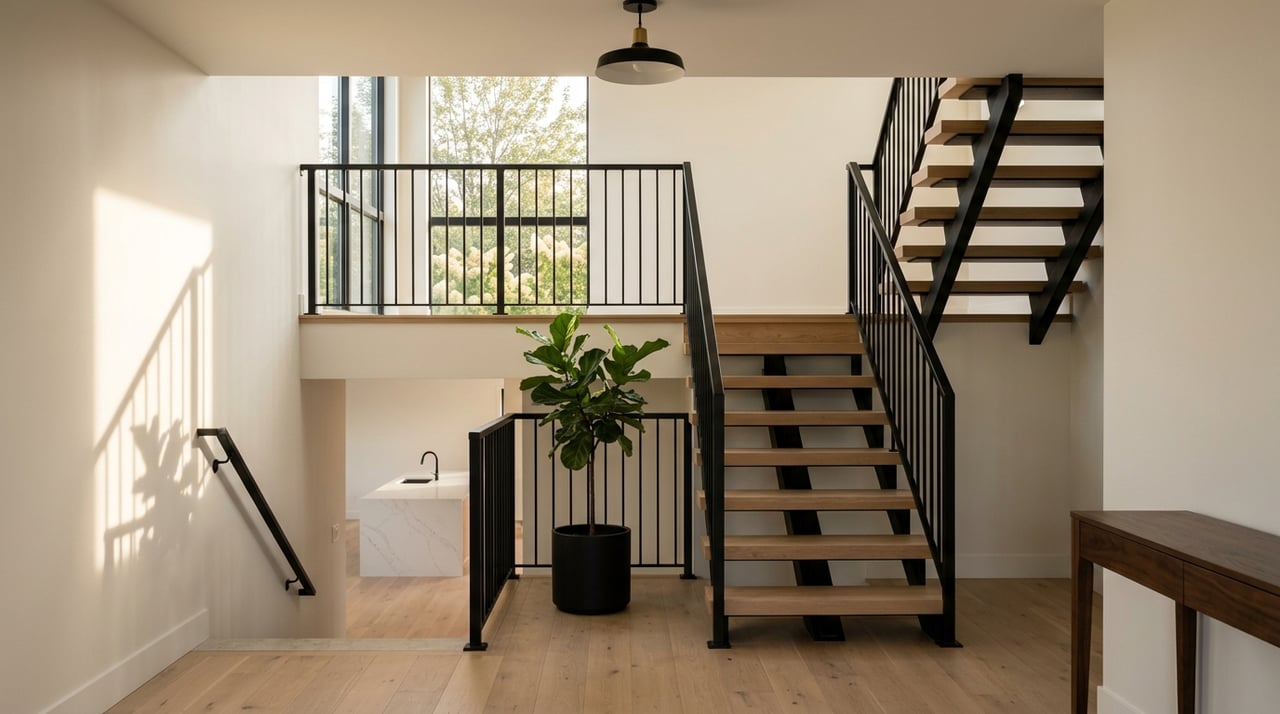
Open living spaces, large kitchen islands, en‑suite bedrooms, and second‑floor laundry are common. Builders often include warranties and present upgrade paths for finishes. Townhomes offer a low‑maintenance option with HOA coverage, while single‑family plans provide more interior space and private yards.
Tradeoffs to weigh
Townhome lots are smaller and HOA fees apply. Landscaping and tree canopy are still maturing. New phases can bring construction activity during buildout. Some features you want may be upgrades that raise the final price.
Budget snapshot
• Townhomes: approximately $380,000 to $520,000, influenced by model, finishes, and location.
• New single‑family: commonly $500,000+ for larger plans in Batavia’s newer developments.
Commute, parks, and daily life
Batavia is largely car‑oriented, with Metra stations located in nearby Geneva and Aurora. I‑88 provides regional access for Chicago‑area commutes. If you plan to ride the train, compare drive times from your short list of neighborhoods to the station you would use. For context on location and transit, review this overview of Batavia’s geography and connections.
For weekends and after‑school time, the Fox River corridor is a standout. The Riverwalk, Depot Museum, and nearby attractions make it easy to plan simple family outings. You can browse local highlights through this Batavia visitor overview. Downtown also hosts markets and community events, and Randall Road’s retail makes errands quick.
Family buyer checklist
Use this short list to focus your search and dial in true monthly costs.
- Verify school boundaries for any address. Use the district’s interactive map and call the office with questions. Check BPS101 boundaries here.
- Decide on space vs maintenance. If you want character and walkability, look near downtown. If you want bigger lots and more bedrooms, focus on established subdivisions. For low‑maintenance living with modern layouts, consider newer communities.
- Price the full monthly payment. Add mortgage, taxes, insurance, HOA (if any), and utilities. For a quick city snapshot, review owner costs on Census QuickFacts for Batavia, then get a current quote and local tax estimate.
- Test your commute and daily routes. Drive to your preferred Metra station, your go‑to grocery store, and your child’s activities during normal hours.
- Walk the neighborhood at different times. Check traffic patterns, parking, and overall convenience at school pickup and evening hours.
Putting it all together
Batavia gives you three clear paths that fit most growing families: in‑town bungalows for walkable charm, established subdivisions for larger lots near assigned schools, and newer edge communities for modern plans with low maintenance. Your best fit comes down to daily logistics, budget range, and which tradeoffs matter most.
If you want help matching a neighborhood to your wish list and budget, reach out. As a long‑time Fox Valley team, we can pull same‑day comps, confirm boundaries, and compare HOA and tax details across areas so you make a confident choice. Connect with Michelle Collingbourne to start your Batavia plan today.
FAQs
What are the main Batavia neighborhood types for families?
- Three practical options stand out: near‑downtown bungalows, established subdivisions near assigned schools, and newer edge communities with townhomes and single‑family homes.
How much do Batavia near‑downtown bungalows usually cost?
- Expect roughly $300,000 to $600,000 depending on size, condition, and proximity to the core in‑town streets; renovated homes tend to price higher.
What should I know about Batavia school boundaries when buying?
- Boundaries determine school assignments and can influence price; always verify a property’s assignment using the district’s interactive map before you write an offer.
Are Batavia subdivisions more expensive than in‑town options?
- Often yes, since you gain larger lots, more bedrooms, and amenities; many mid‑range areas run about $350,000 to $600,000, with luxury enclaves pricing higher.
What do newer Batavia townhomes and single‑family homes cost?
- Townhomes commonly range from about $380,000 to $520,000, while larger new single‑family plans are often $500,000 or more depending on finishes and lot.
How is the commute from Batavia to Metra and I‑88?
- You’ll drive to nearby Geneva or Aurora for Metra, and I‑88 is the primary expressway; test drive times from your short list during normal commute hours.