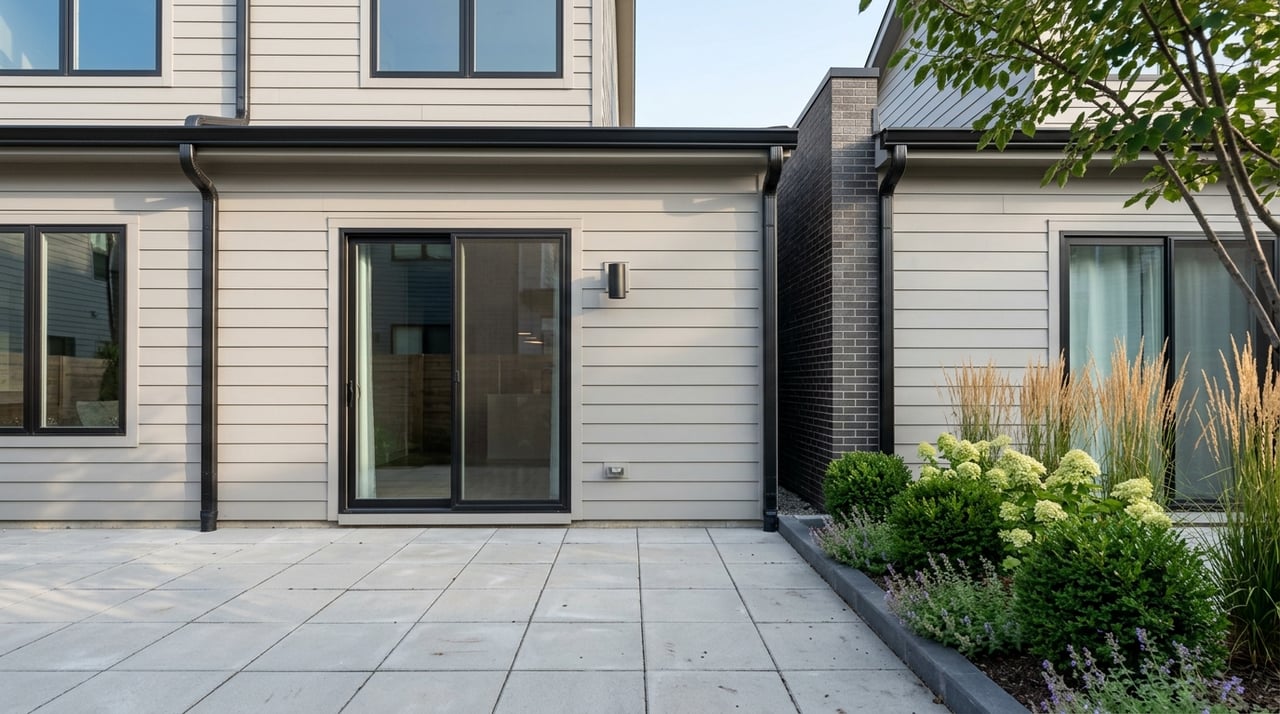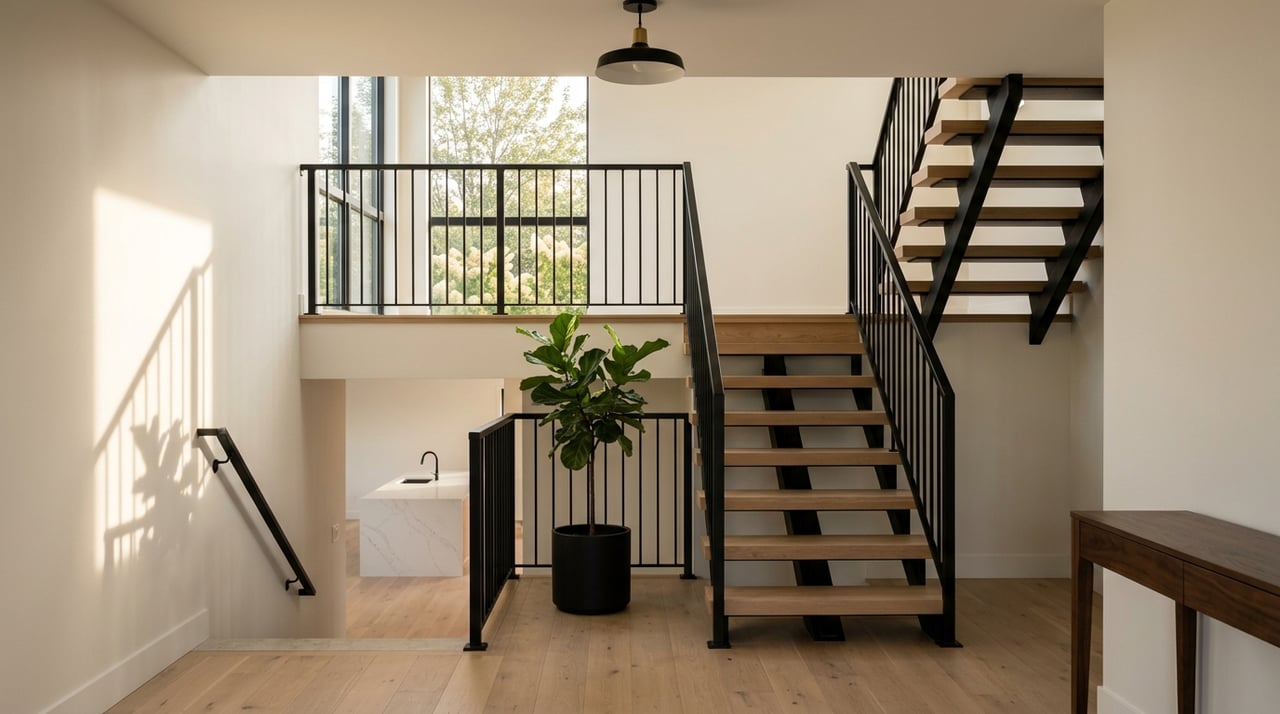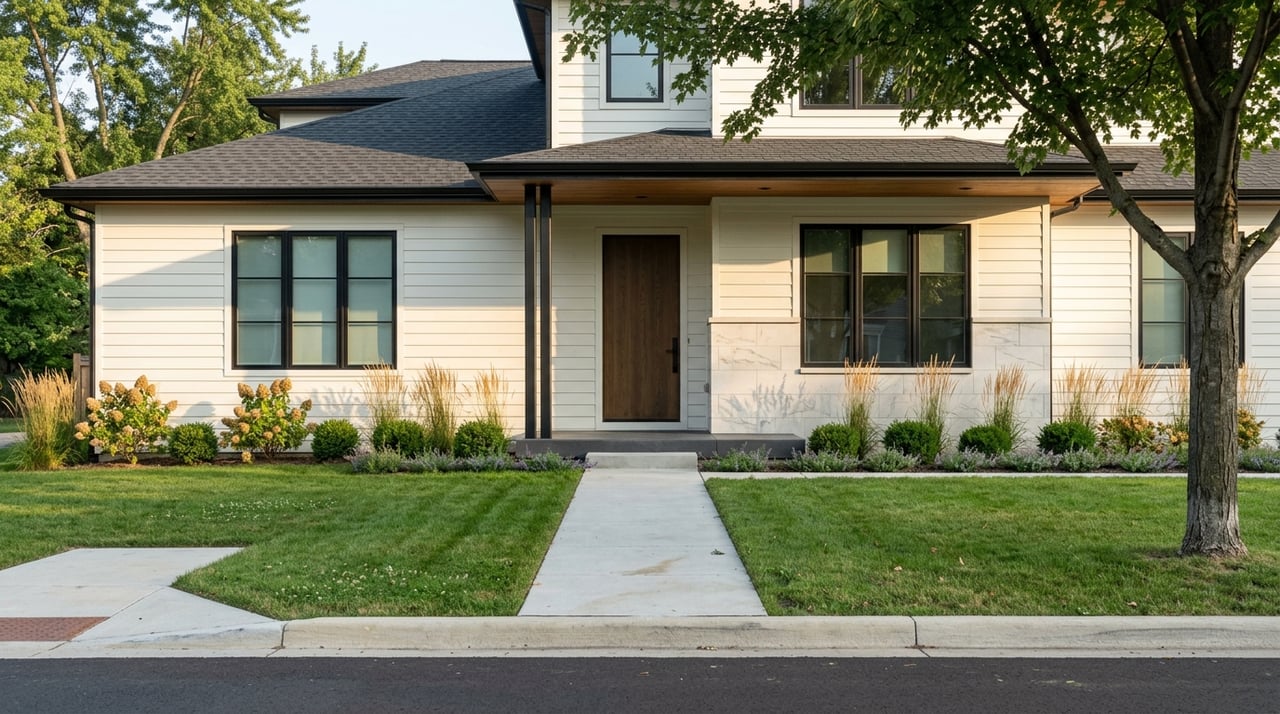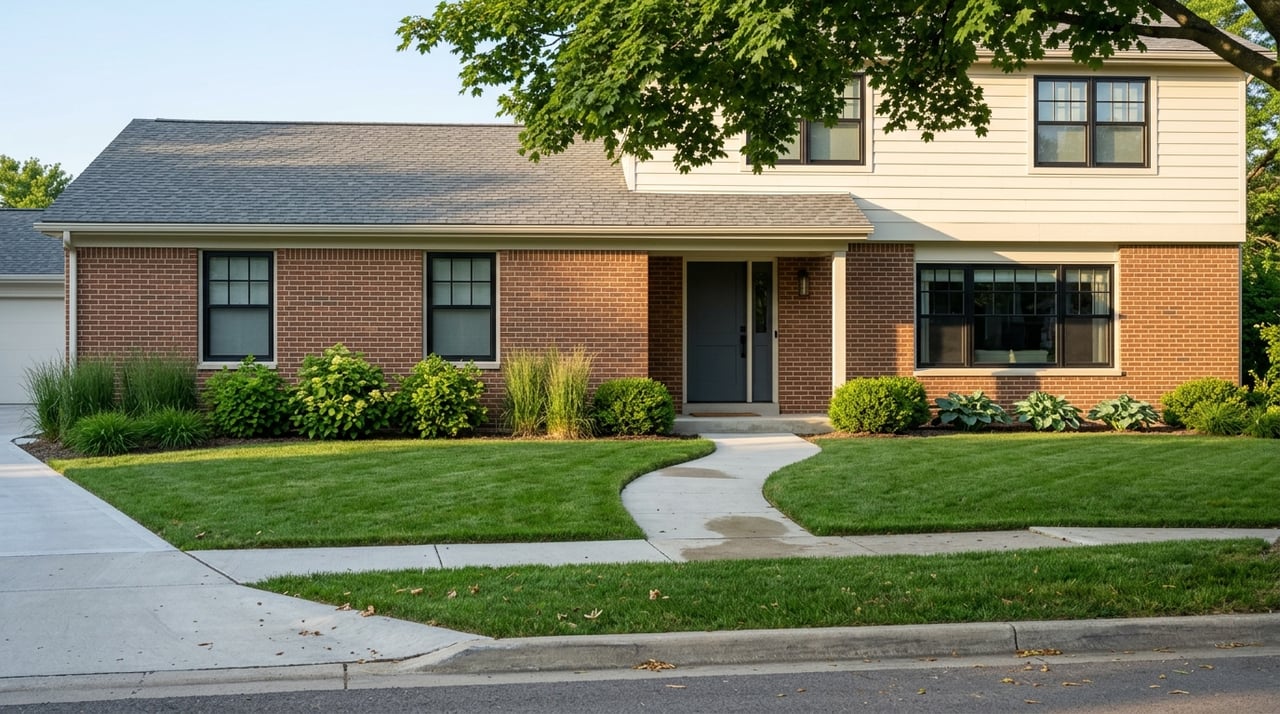
Thinking about selling your St. Charles home and wondering if timing could add thousands to your bottom line? You’re not alone. With shifting mortgage rates and seasonal swings in the Fox Valley, it can be hard to know when to list and how to price. In this guide, you’ll learn how to read the local signals for ZIP 60174, what today’s conditions mean for move-up sellers and downsizers, and how to prep for a smooth sale. Let’s dive in.
Market timing in 60174
If you live in ZIP 60174, you sit at the intersection of St. Charles and parts of Elgin. That overlap makes it important to look at city-level and subdivision-level trends, not just the ZIP code. Before you decide to list, check a few key indicators for your price range and neighborhood.
- Months of Inventory (MOI). Under 3 months points to a strong seller’s market. Between 3 and 6 is more balanced. Over 6 often means buyers have more leverage.
- Days on Market (DOM). Fewer than 30 days often signals strong demand. Thirty to 60 is moderate. Over 60 suggests slower activity.
- Sale-to-list price. Above 99 percent suggests buyers are bidding close to asking. Below 95 percent often points to price sensitivity.
Look at these numbers for your specific price band and area. A historic-district bungalow on the riverfront behaves differently than a larger move-up home in a newer subdivision.
What rates mean today
Mortgage rates shape buyer affordability. When rates dip, more buyers can qualify, and you may see stronger traffic and faster offers. When rates rise or hold steady at higher levels, move-up-priced homes can take a bit longer to sell because the buyer pool narrows. If you’re planning to buy after you sell, track weekly rate trends and talk to your lender about lock options. A slight shift can change both your buyer demand and your next payment.
Seasonality in St. Charles
In the Fox Valley, spring is typically the prime time to list. March through June often brings more buyers, higher attendance at open houses, and better odds of multiple offers. Late summer and fall can still be active, just more price sensitive. Winter tends to be the slowest season, though serious buyers are still out and you face less competition. Watch how pending sales and active inventory change month to month to decide whether the spring premium is building or fading in real time.
Read the right metrics
To decide whether to sell now or wait, focus on the numbers that match your home and neighborhood.
- Price band MOI. Start with inventory and absorption for your price range, not the whole ZIP.
- DOM and sale-to-list for comps. Check homes with similar beds, baths, square footage, and lot size within your subdivision or nearby.
- New listings vs pendings. If new listings outpace pendings, inventory pressure can build and pricing may soften.
- Inventory composition. Single-family vs townhome, age, and lot size all affect demand.
- Contract-to-close timeline. In our area, 30 to 45 days is typical from contract to close. Plan your purchase and move around that window.
Price-band strategy
Not all parts of the St. Charles market move at the same speed. Entry-level single-family homes and townhomes often sell faster due to broader affordability. Higher-priced move-up homes can take longer because buyers face larger payments when rates are elevated. Historic district and river-adjacent homes may hold value well but still follow their own pace.
If you’re selling a larger home and buying a smaller one, keep a close eye on small-home inventory. Downsizer-friendly properties can be limited, so you’ll want a plan for sequencing your sale and purchase.
Move-up seller options
If you need to buy before you sell, consider how competitive your target price band is.
- Strong seller’s market. If MOI is under 3, DOM under 30, and sale-to-list above 99 percent, selling first could maximize your price. Use a rent-back or flexible closing to bridge to your next purchase.
- Balanced conditions. With MOI between 3 and 6 and DOM between 30 and 60, price competitively and expect fewer multiple offers. You can use contingencies or a short-term rental if timing is tight.
- Slower tiers. If MOI is above 6 and DOM above 60, prepare to stand out on condition and price, or consider waiting if you are not on a strict timeline.
Discuss bridge financing or temporary housing options early. The right plan reduces stress and keeps you from accepting less-than-ideal terms.
Downsizing playbook
If you’re selling a larger home and aiming for a smaller single-family, townhome, or condo, confirm how much inventory exists in your desired communities. With limited small-home supply, you may want to line up your purchase first. If your smaller target market is more active in spring, time your sale to match that window. Consider.
- Using a home sale contingency if accepted in your target segment.
- Securing a short-term rental to avoid rushed decisions.
- Leveraging equity for a stronger offer, then replenishing after your sale.
Smart pricing tactics
Pricing is not about hitting the highest number. It is about landing the most showings and the strongest terms.
- Use recent sold comps. Anchor to closings from the past 30 to 90 days in your subdivision. If inventory is thin, adjust for condition and upgrades.
- Work with live DOM trends. If marketwide DOM is rising, price slightly under the average to boost traffic. If multiple offers are common, consider pricing at or just below the expected value to spark competition.
- Consider concessions. A closing cost credit or rate buydown can be more attractive to buyers than a price cut when affordability is tight.
Prep checklist and timeline
Start 6 to 8 weeks before listing. Small, targeted improvements usually deliver the strongest return.
- Order a pre-list inspection. Address roof, HVAC, and major systems, especially in older 60174 homes where buyers expect solid maintenance.
- Refresh curb appeal. Tidy landscaping, touch up exterior paint, and make sure the driveway and garage door present well. This is key near the Fox River and in the historic district.
- Make high-ROI updates. Neutral interior paint, updated lighting where needed, deep cleaning, and strategic staging. Focus on the kitchen, living areas, and the primary bedroom.
- Declutter and depersonalize. Show clear, flexible spaces. Downsizers should stage to highlight right-size living.
- Gather documents. Property tax history, utility averages, HOA information, and permits for recent work.
List window and marketing
If you can target spring, do it. If you need to list outside spring, lean on great marketing and access.
- Professional photography and a compelling online tour.
- Weekend open houses and targeted digital outreach to buyers relocating to the suburbs.
- Local highlights in your listing copy. Note District 303 boundaries, Fox River access, downtown amenities, and commute routes like Route 64 and I-90 in neutral terms.
Offers, concessions, and closing
As you review offers, focus on both price and terms.
- Inspection credits. Expect these more often if the market softens. A pre-inspection can reduce surprises.
- Home warranty or flexible closing. Offering one or both can speed the deal.
- Escalation clauses. Compare total net proceeds and risk. Clean, well-financed offers with fewer contingencies can be worth more than the highest headline price.
Plan for 30 to 45 days from contract to close. Talk to your lender and agent early about timing your sale and purchase so you can move once, not twice.
Should you wait or list now?
Here is a simple framework.
- List now if. Your price band shows MOI under 3, DOM under 30, and sale-to-list near or above 99 percent. Low competing inventory and strong demand favor you.
- List soon with prep if. Your indicators are balanced. A well-priced, well-presented home should still sell on a normal timeline with solid terms.
- Consider waiting if. MOI is above 6, DOM above 60, and buyers are regularly negotiating more than 5 percent off list. Use the time to complete repairs and watch rate and inventory trends.
If you are buying after selling, also weigh mortgage rate direction. A short delay can help if rates are easing and smaller homes you want are about to hit the market. If inventory is tight now, listing sooner could still yield a stronger sale and give you the funds and flexibility to act on your purchase.
How to verify your numbers
Because 60174 crosses into parts of Elgin as well as St. Charles, confirm your data at the city or subdivision level. Pull MOI, DOM, sale-to-list, and active vs pending counts for the last 30 to 90 days. Check single-family and townhome segments separately. If sources disagree, remember that local MLS data often captures contracts and DOM more precisely than aggregators due to feed timing and cancellations. Use rolling three-month averages to remove noise.
Ready to see how these factors play out for your home and neighborhood? Let’s look at your price band, comps, and timing together. Talk to Michelle Collingbourne for a local plan, or get your instant home valuation to start the conversation.
FAQs
How do I know if it is a seller’s market in St. Charles?
- Check your price band’s Months of Inventory. Under 3 months, with DOM under 30 and sale-to-list near or above 99 percent, usually signals a strong seller’s market.
What if my higher-priced home is taking longer to sell?
- Buyer pools narrow as prices rise, especially when rates are higher. Compare MOI and DOM for your tier, then adjust price, condition, and concessions to stand out.
Should I wait for mortgage rates to drop before listing in 60174?
- Rates influence buyer demand, but waiting is not always better. If inventory is low now in your segment, listing sooner could net a stronger price and cleaner terms.
How much should I spend on pre-list updates?
- Focus on high-ROI items like paint, lighting updates, curb appeal, deep cleaning, and staging. Save major renovations for when comps support a clear payoff.
What timeline should I expect from contract to close in Kane County?
- Plan for about 30 to 45 days, depending on appraisal, inspection, and underwriting. Build your purchase plan around that window to avoid double moves.