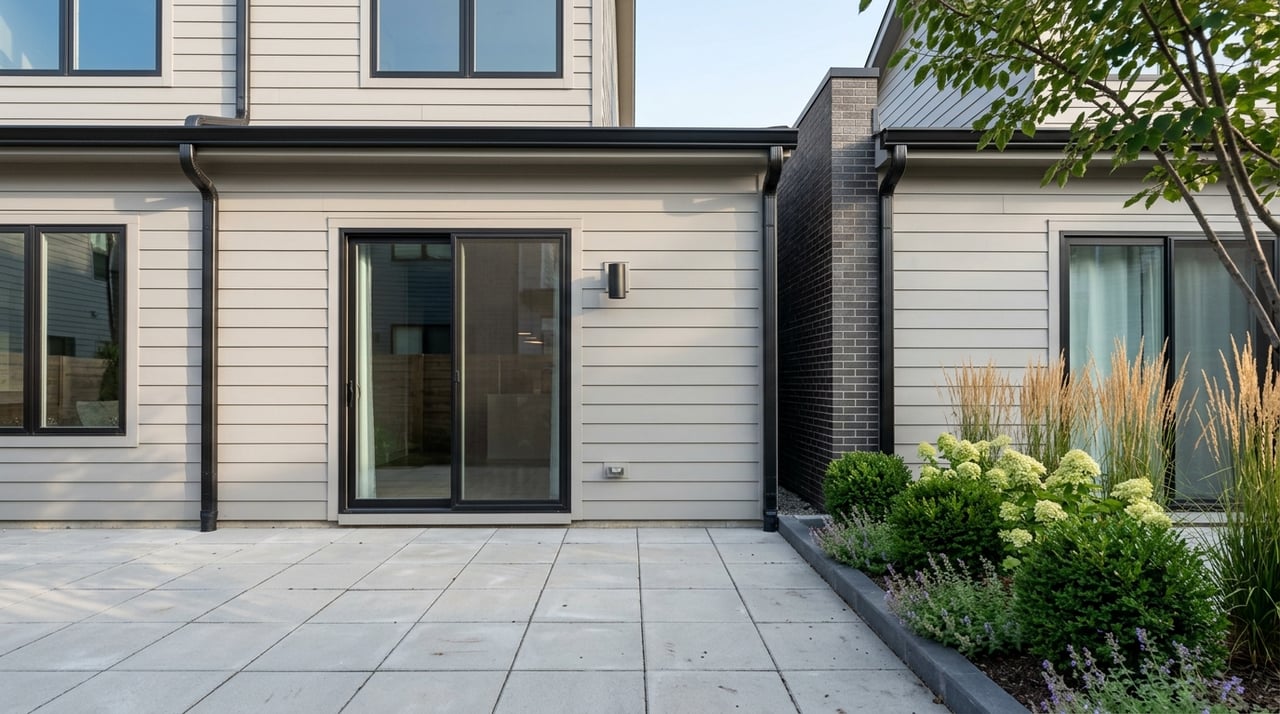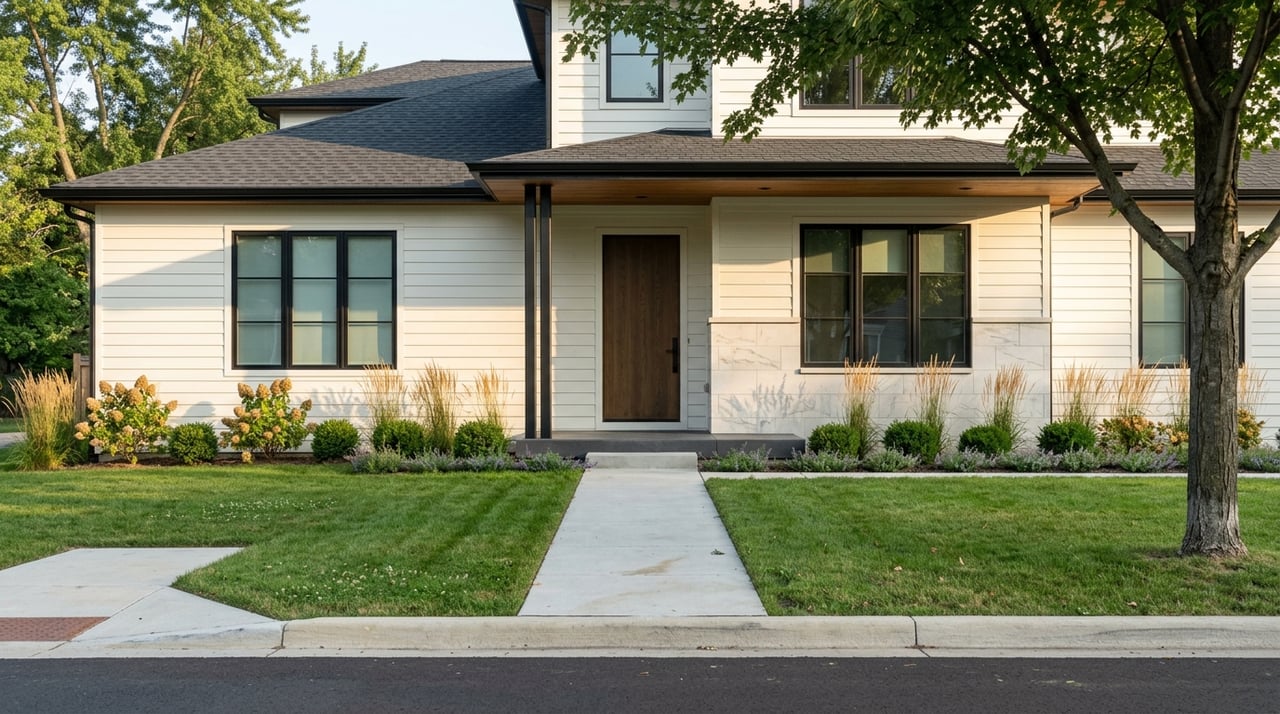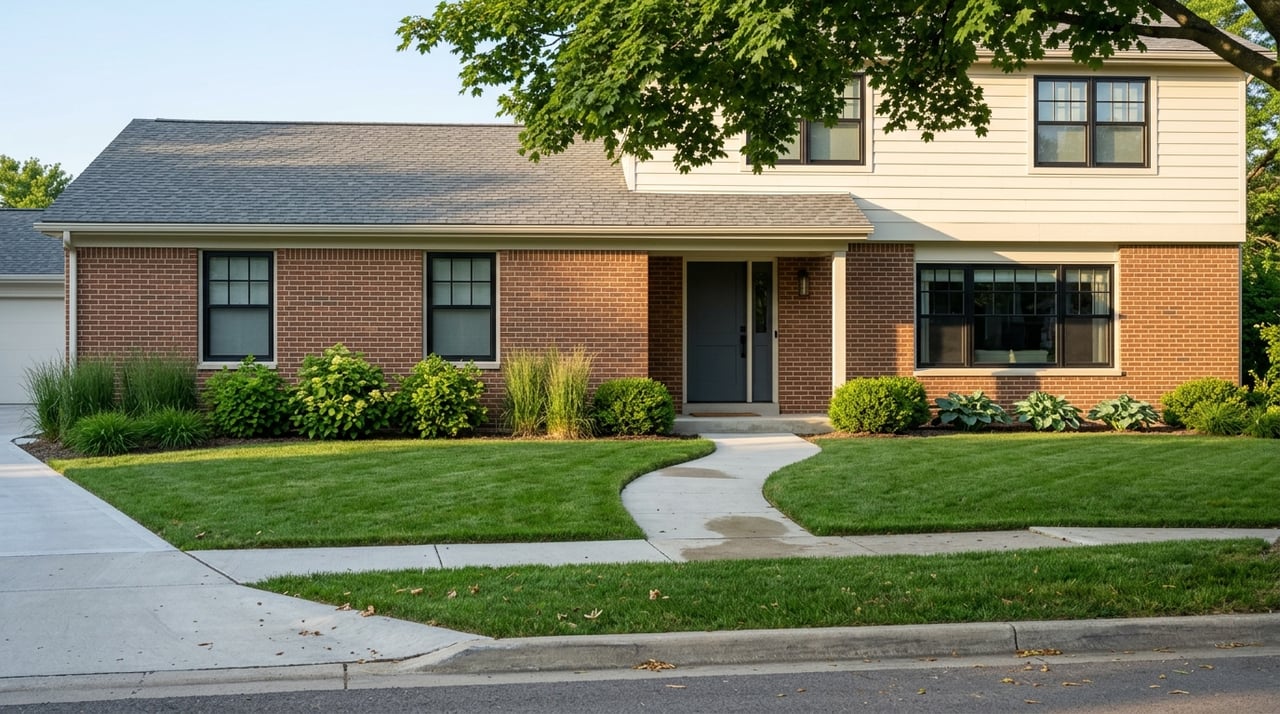
Buying new construction in Hampshire can feel exciting right up until the paperwork, upgrade lists, and lot choices start piling up. If you are drawn to a brand-new home and the growth happening along the I-90 corridor, you are not alone, but it is easy to confuse a polished model home with a simple purchase. This guide will help you understand what matters most before you sign, what to watch in Hampshire specifically, and how to protect your budget and long-term value. Let’s dive in.
Why Hampshire draws new-construction buyers
Hampshire sits in northwest Kane County with direct access to the I-90 corridor, about 50 miles northwest of Chicago and 40 miles southeast of Rockford, with Metra access at Big Timber in Elgin. That location has helped put the village on the radar for buyers who want newer housing with regional access.
The village has also been growing quickly. Hampshire reported a population of 5,563 in 2010, 7,667 in 2020, and a 2025 estimate of 9,266, which helps explain why new development continues to be a big part of the local conversation.
The housing profile also gives useful context if you are thinking long term. Hampshire has an owner-occupied rate of 83.3% and a median owner-occupied home value of $329,800, which points to a market where many owners stay invested in their homes and community over time.
In 2024 alone, the village reported 158 new residential construction permits and nearly 700 total building permits, representing about $46.2 million in private investment. In short, if you are shopping new construction in Hampshire, you are buying into an area that is actively evolving.
Why new construction is different
A new-construction purchase is not the same as buying a resale home. In Illinois resale transactions, sellers usually provide disclosure forms before a contract is formed, but new construction often involves builder-specific paperwork and terms that go beyond standard forms.
That matters because builder contracts are designed by the builder. They may cover timelines, options, allowances, change orders, and completion terms in ways that are very different from a typical resale contract.
You should also assume the model home is showing more than the base price. Model homes often include upgrades and options, so what you see during a tour may not be what comes standard in the home you are pricing.
What to review before signing
Before you sign anything, make sure the contract clearly spells out the core parts of the deal. The goal is to move every important promise out of a conversation and into writing.
Key contract items to confirm
- The exact base floor plan
- What is included as standard features
- The price of every option and upgrade
- Landscaping scope
- Estimated completion or occupancy dates
- Any remedies if those dates are missed
- Warranty details
- Any information provided about surrounding development plans
In Illinois, attorney review is especially important. The Illinois State Bar Association notes that without an attorney-approval contingency, you may be locked into terms you cannot later modify, which is why it is smartest to have legal review before the contract becomes binding.
Why lot choice matters in Hampshire
In many new communities, buyers focus first on cabinets, countertops, and flooring. Those choices matter, but in Hampshire, your lot may have a bigger effect on long-term satisfaction and resale appeal.
The village’s development framework includes zoning, subdivision, water and sewer, stormwater, floodplain, and soil-erosion rules. Hampshire also reviews planned developments and subdivisions through its Planning and Zoning Commission, and some approvals can still be pending while a project is underway.
That means you should not look at a lot in isolation. You also want to understand how the land around it may change over time, what reports or approvals are still in process, and how drainage, grading, traffic, and future phases may affect the property.
Smart lot questions to ask
- What sits behind, beside, and across from the lot today?
- What is planned for nearby future phases?
- Are annexation, zoning, subdivision, or site-plan approvals still pending?
- Are there stormwater features, drainage areas, or grading concerns nearby?
- Is the lot affected by floodplain rules or other physical constraints?
- How will road access and traffic patterns work as the development grows?
- What utility access is already confirmed for the lot?
Hampshire’s planning materials also emphasize development along the transforming I-90 corridor and the protection of floodplains, wetlands, steep slopes, and wooded areas in some areas. For you as a buyer, that makes due diligence on the lot just as important as the house itself.
Upgrades can reshape your budget fast
One of the easiest ways to overspend on a new home is to treat upgrades like small add-ons. In reality, each upgrade should be handled like a contract item with a written description, a price, and a clear note about whether it changes timing or closing.
Treat every upgrade like this
- Confirm whether it is standard or optional
- Get the exact cost in writing
- Ask whether it changes the construction timeline
- Ask whether it affects financing or closing timing
- Make sure it appears correctly in the final paperwork
This step matters because verbal promises are not enough. If a feature, finish, or layout change matters to you, it should be documented in writing.
Change orders need to be written
During construction, buyers often decide to make adjustments. That is where change orders come in.
A change order is a written amendment that changes scope, price, or time. If you make a change after the original agreement, you should expect a written document that shows exactly what is changing and how that change affects cost and timing.
This is not just paperwork for paperwork’s sake. Written change orders help prevent misunderstandings and create a clear record if questions come up later.
Do not skip independent representation
One of the biggest misunderstandings in new construction is assuming the person at the model home represents your interests. The seller’s agent works for the seller, not the buyer.
That is why the best time to bring in your own representation is early, ideally before your first serious model-home conversation or before you sign anything. Independent representation can help you compare communities, evaluate lot premiums, track option deadlines, and make sure promised upgrades or incentives make it into the written deal.
For Hampshire buyers, this is especially useful because development is still active and phased in many areas. You are not only buying what exists today. You are also buying next to what may be built later.
Yes, you still need an inspection
A brand-new home is still a home built by people, materials, and timelines. New does not automatically mean flawless.
An independent inspection can help identify issues with construction quality before closing. The Illinois State Bar Association also notes that an inspection contingency can be valuable, and that makes it a smart part of your plan even when the house is brand new.
Think about resale from day one
When you buy new construction, it is easy to focus on the excitement of being the first owner. It is just as important to think about how the home may compete later if you sell.
In Hampshire, long-term appeal can be shaped by corridor access, future surrounding development, lot quality, utility and stormwater conditions, and whether your finish package fits the broader resale market. In many cases, the best choice is not the most upgraded house. It is the home with the strongest mix of location, usability, and broadly appealing finishes.
A practical buying strategy
If you want to buy smart in Hampshire, keep your process simple and disciplined. A few steady steps can save you money and stress.
A smart new-construction checklist
- Tour communities with a clear budget and must-have list.
- Bring in your buyer representation early.
- Have an attorney review the builder contract before it becomes binding.
- Confirm the base plan and standard features in writing.
- Review lot conditions, nearby phases, and local development context.
- Price upgrades carefully and document every selection.
- Put all changes into written change orders.
- Schedule an independent inspection before closing.
- Evaluate the home not just for today, but for future resale.
Buying new construction should feel exciting, not confusing. With the right guidance, you can enjoy the benefits of a brand-new home while staying focused on the details that protect your investment.
If you are considering a new home in Hampshire or anywhere in the Fox Valley, working with a local team that understands new-construction process, lot value, and long-term market fit can make a real difference. Reach out to Michelle Collingbourne for practical, local guidance before you sign.
FAQs
What makes new construction in Hampshire different from resale homes?
- New-construction purchases often use builder-specific contracts, upgrade schedules, and timeline terms that differ from standard Illinois resale forms, so careful review is important.
Why does lot selection matter when buying a new home in Hampshire?
- Lot value can be shaped by drainage, grading, utility access, nearby road patterns, future development phases, and surrounding land use, not just the home’s interior finishes.
Should you get an inspection on a brand-new Hampshire house?
- Yes. An independent inspection can help identify construction-quality issues before closing, even on a newly built home.
Can you negotiate a builder contract for a Hampshire new-construction home?
- Sometimes, but builder contracts may be less flexible than resale agreements, so the key is to review terms before signing and get all changes in writing.
When should you bring in a buyer’s agent for Hampshire new construction?
- Ideally before your first serious conversation at a model home or before signing anything, so your representation can help with lot choice, pricing, deadlines, and written terms.